
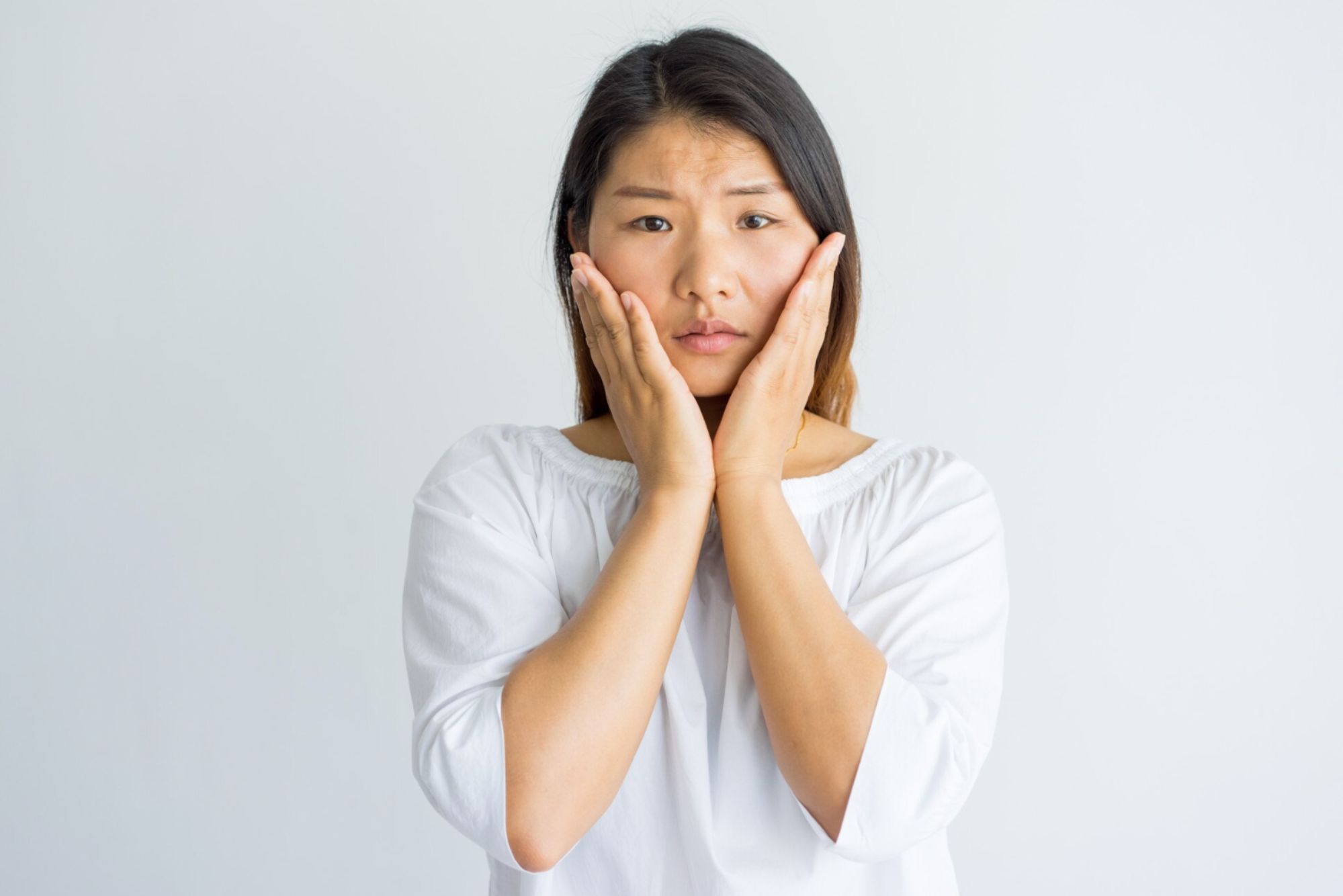
As the years pass, you may notice that your cheeks look less full, the area under your eyes appears hollow, or your jawline looks less defined. These changes can make you wonder, “Why does my face look older?” even when your skincare routine has stayed the same.
Facial volume loss refers to the gradual reduction of fat, muscle and bone that support the shape of the face. Facial fat loss affects tissue near the skin’s surface and in deeper areas, which may contribute to signs of facial ageing.
In this article, we explain the causes and signs of age-related volume changes, along with the areas commonly affected. We also cover when these changes may begin, ways to restore facial support and the treatment options available.
Table of Contents
Why Does My Face Look Older and Tired?
Your face may appear older or tired even after enough rest and a consistent skincare routine. Changes in facial structure, skin support, and tissue position can create shadows, hollows and sagging that affect your overall appearance.
Midface Descent and Volume Changes
With age, the facial fat pads in the cheeks may lose volume and move downwards, making the cheeks appear flatter. This facial volume shift can also reduce support around the eyes and contribute to sagging in the lower face.
Under-Eye Hollows and Puffiness
Reduced support beneath the eyes may contribute to the formation of tear trough hollows, which create shadows and a tired appearance. The lower eyelids may also retain fluid or develop under-eye bags due to fluid build-up, ageing, or weakened blood vessels.
Brow and Forehead Changes
As the upper eyelid skin begins to sag, the forehead muscles may work harder to lift the brows and help keep the eyes open. This repeated movement can deepen forehead lines and make the face appear strained.
Changes in Facial Bone Support
The term bone resorption face describes age-related changes that occur when bone tissue breakdown outweighs bone formation, reducing facial bone density and volume. As structural support decreases, these changes may contribute to hollowed eyes and sagging cheeks.
What Are the Signs of Facial Volume Loss?

Loss of facial volume can change the contours of the cheeks, under-eye area, and jawline. These changes may develop gradually and become easier to notice as facial support decreases.
- Sunken cheeks: Reduced fat beneath the skin can make the cheeks appear hollow or sunken.
- Reduced midface volume: Changes in the midface can flatten the cheeks and reduce support beneath the eyes.
- Deep lines and folds: Loss of facial volume can reduce skin support, making wrinkles and folds appear deeper.
- Jowls: Tissue may shift downwards, creating loose skin along the jawline.
- Double chin: Changes in fat distribution, skin laxity, and lower-face support may affect the area beneath the chin.
At What Age Does Facial Volume Loss Start?
Changes linked to loss of facial volume may begin in the mid-20s, with visible signs becoming noticeable from the 30s onwards. However, the timing and extent of these changes vary from person to person. During this period, gradual collagen loss can reduce skin support, while fat pads may begin to shift in position.
Over time, this facial volume shift may affect the temples, cheeks, and areas around the eyes and mouth. Fat distribution may also change with age, with facial fat loss occurring in some areas while fat becomes more noticeable in others. Genetics may influence how quickly these changes develop.
What Causes Hollow Cheeks and Under Eyes?
Hollow cheeks and under-eye hollows can develop as facial fat, collagen, elastin, and structural support decrease or shift over time. These changes may make you wonder why your face looks older, especially when shadows form beneath the eyes or the cheeks appear less full.
- Genetics: Inherited facial structure and fat distribution may make some people more prone to sunken cheeks and under-eye hollows.
- Ageing: The body gradually produces less elastin, collagen, and hyaluronic acid, which may contribute to facial volume loss.
- Weight loss: Losing weight over a short period may reduce facial fat and leave the skin with less support.
- Sun exposure: Repeated exposure to UV rays can damage collagen and elastin, contributing to the loss of facial volume.
Why Is My Face Ageing So Fast?

Facial ageing can appear to progress quickly when several internal and external factors affect the skin and underlying facial structures at the same time. Understanding at what age facial volume loss starts can provide context for changes that may become visible earlier in some people than in others.
Genetics
Genetics can influence facial structure, fat distribution, and the rate at which collagen changes. These inherited traits may affect when skin laxity or hollow areas become noticeable.
Sun Exposure
Repeated exposure to UV light can speed up visible skin ageing, a process known as photoageing. UV light may damage skin cells and contribute to age spots.
Smoking
Smoking exposes the body to substances that can affect collagen and elastic fibres in the skin. Over time, this may contribute to wrinkles, sagging, and facial fat loss.
Rapid Weight Loss
Losing a significant amount of weight over a short period can reduce the fat that supports the cheeks and lower face. This change may cause a facial volume shift and make some areas appear hollow.
Stress
Stress can increase cortisol levels in the body. Higher cortisol levels may affect the production of hyaluronan synthase and collagen, which help support skin structure and hydration.
Does Menopause Cause Facial Ageing?
Menopause can contribute to facial ageing because declining oestrogen levels affect moisture retention, collagen, and elastin. These hormonal changes, together with genetics and lifestyle factors, may lead to dryness, fine lines, and sagging skin.
Daily sunscreen, hydration, adequate sleep, and stress management may support skin health during menopause. Those considering injectable treatments to address facial volume loss can consult a doctor at Anna Hoo Clinic, a dermal filler clinic in Bangsar or Petaling Jaya, to discuss suitability, possible results, and potential risks.
Is Facial Volume Loss Reversible?

The loss of facial volume is not usually described as curable or reversible because ageing continues to affect fat, muscle, bone, and skin support. Certain aesthetic treatments may support facial structure or restore volume in selected areas, but results vary based on the cause, treatment method, and individual response.
A consultation with a registered doctor can help determine suitable options, expected results, and possible risks.
How to Restore Lost Facial Volume?
Options for addressing facial volume loss depend on the affected areas, degree of change, and individual suitability. Dermal fillers containing hyaluronic acid may add volume to areas such as sunken cheeks, while ultrasound-based treatments such as Ultraformer III may stimulate collagen production and support skin elasticity.
Aside from non-surgical options, fat transfer is a surgical procedure that moves fat from another part of the body to areas affected by facial fat loss.
Skincare, sun protection, and lifestyle habits may support skin health, but they may not fully recreate the Triangle of Youth. A medical consultation can help determine suitable treatments, expected results, and possible risks.
Anti-Ageing Treatment in Malaysia at Anna Hoo Clinic
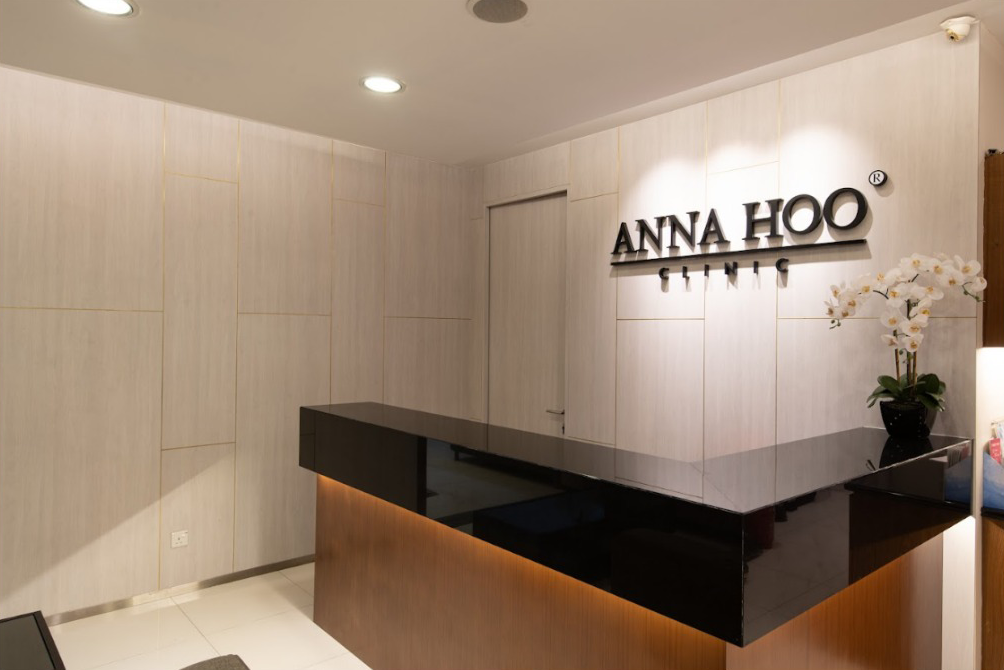
Anna Hoo Clinic is an anti-ageing clinic in Petaling Jaya that provides medical wellness and aesthetic services in a clinical setting. A licensed doctor reviews each patient’s concerns, assesses treatment suitability, and explains available options based on their condition and goals.
Individual Consultation Approach
A doctor reviews the patient’s medical history, current concerns, and treatment area before discussing a treatment plan.
Clinical Setting and Facilities
The clinic carries out procedures in a clinical setting using approved equipment and follows clinical standards for in-clinic procedures.
Licensed Professionals
Licensed doctors conduct consultations and treatments in line with clinical guidance. The discussion may cover treatment areas, session planning, and questions such as “Why does my face look older?”
Safety and Protocol Adherence
The clinic follows documented protocols for screening, treatment planning, and post-treatment guidance as part of standard clinical practice.
Evidence-Based Approach
Doctors use medical references and clinical evidence when making treatment decisions. They may adjust the treatment plan based on assessment and follow-up findings.
FAQs About Facial Volume Loss in Malaysia
Why does my face look older and more tired with age?
Ageing can make the face appear older and tired as facial fat decreases or shifts, bone support changes, and the skin loses elasticity. If you are wondering why your face looks older and tired, these structural changes may also explain what causes hollow cheeks and under eyes, because reduced support can create flatter cheeks, hollows, and shadows.
At what age does facial volume loss usually begin?
Facial volume loss may begin gradually in the mid-20s, although the timing varies between individuals. It may become noticeable over time as fat pads shift and the skin produces less collagen.
Can facial volume loss be reversed?
The loss of facial volume is not usually reversible because ageing continues to affect the skin and underlying facial structures. Certain treatments may restore support or volume in selected areas, but outcomes vary, and a doctor should assess individual suitability.
Does losing weight cause facial volume loss?
Rapid weight loss can reduce subcutaneous fat in the face and neck, leading to facial fat loss, hollowing, or sagging skin. The extent of these changes varies according to the amount and rate of weight loss, age, and facial structure.
Does menopause make facial ageing worse?
Menopause can contribute to facial ageing as declining oestrogen levels affect collagen production and moisture retention. This may lead to dryness, fine lines, and sagging skin, although genetics, sun exposure, and lifestyle habits also influence these changes.
Conclusion
Understanding facial volume loss can help explain changes in the cheeks, temples, under-eye area, and jawline. If you are wondering why your face looks older, changes in facial fat, bone, muscle, collagen, and skin support may contribute.
Factors such as the affected area, medical history, treatment method, downtime, and possible risks may influence decisions about facial volume loss treatment in Kuala Lumpur. A consultation with a registered doctor can help assess facial anatomy, treatment suitability, and possible outcomes.
For those looking for a dermal filler clinic in Bangsar or Petaling Jaya, Anna Hoo Clinic discusses available options following a medical assessment. Patients can ask about treatment areas, session planning, and aftercare before making a decision.