
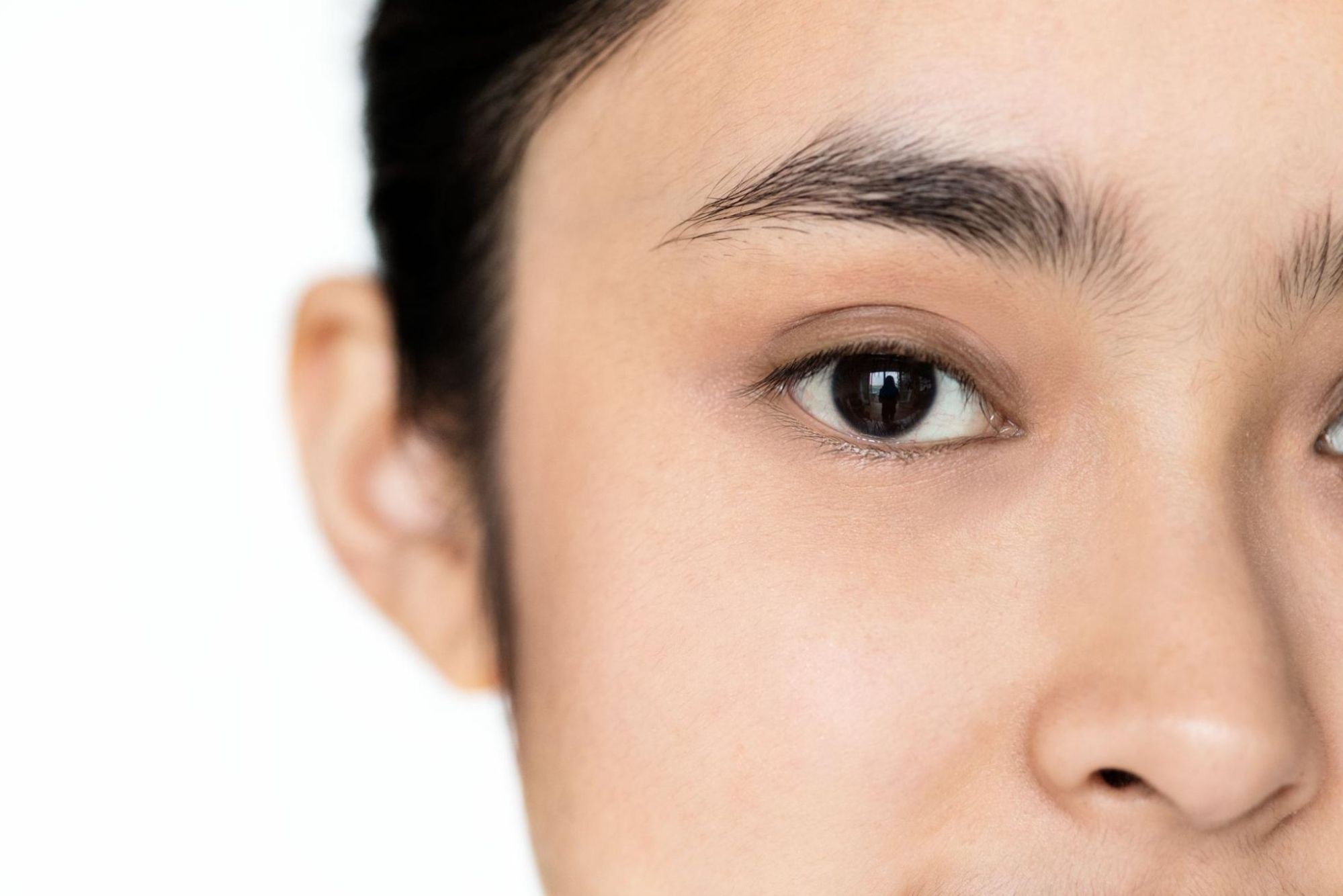
In Malaysia, it is common to notice under-eye hollowing, fine lines, or a tired look after long workdays, sun exposure, and irregular sleep. When comparing polynucleotide vs hyaluronic acid fillers, many people look for an option that suits both their concerns and daily routine.
Some may want to soften fine lines before an upcoming event, while others are looking at treatments for under-eye concerns that have become more noticeable over time. If you are comparing polynucleotide vs hyaluronic acid fillers in Malaysia, it often comes up when trying to understand the differences before booking a consultation.
In this article, we look at how each method differs, including how they work, which may suit your concerns, and the expected downtime. We also explain how long each one tends to last and which treatments may be suitable for Asian skin.
Table of Contents
What Is the Difference Between Polynucleotide and Hyaluronic Acid Fillers?
Understanding the polynucleotide vs hyaluronic acid filler difference can help you match the treatment approach to your main concern, such as fine lines, dryness, or under-eye hollowness. It also gives a clearer picture of what each option may help treat and how they fit into your treatment plan.
Polynucleotide
Polynucleotide treatment uses purified DNA molecules that are injected into the skin to support repair processes. Rather than adding volume directly, it is generally used to help with skin quality over time by supporting hydration, texture, elasticity, and collagen production. This is why it is usually considered for concerns such as fine lines, dehydrated skin, rough texture, skin laxity, and redness.
Key differences for Polynucleotide:
- Works by supporting skin repair processes
- Often chosen for uneven skin texture, dryness, redness, and skin laxity
- Often used when the focus is on supporting skin quality
- Results usually build gradually across a series of two to four sessions
Hyaluronic Acid Fillers
Hyaluronic acid fillers are injected into specific areas to support volume and hydration and to address lines or hollowness. They are often used for concerns such as under-eye hollowness, fine lines, wrinkles, tired-looking eyes, and dark circles. Results are usually visible after treatment and may last around one to three years, depending on the area treated and the product used.
Key differences for Hyaluronic Acid Fillers:
- Works by supporting volume and holding water in the treated area
- Often considered for hollowness, contouring, and visible volume loss
- Common treatment areas include the under-eyes, cheeks, lips, nose, chin, and jawline
- Results are usually seen after treatment and may last one to three years
Polynucleotide Filler vs Hyaluronic Acid: Which Is Better?

Knowing how each option works for different concerns can help guide your discussion during a consultation. A licensed doctor can assess your skin condition, under-eye structure, and expectations before outlining a suitable treatment plan.
Polynucleotide vs Hyaluronic Acid Filler for Under-Eye
Polynucleotide injection for under-eye works by supporting collagen activity and skin repair, with changes developing gradually over a series of sessions. Hyaluronic acid fillers are used to support volume around the under-eye area, which can reduce the appearance of hollowness.
Polynucleotide vs Hyaluronic Acid Filler for Dark Circles
Polynucleotide treatment supports collagen and elastin production, which can help with skin tone and texture around the eyes over time. Hyaluronic acid fillers address dark circles by filling under-eye depressions, which can make them appear less visible.
Polynucleotide vs Hyaluronic Acid Filler for Fine Lines
Polynucleotide treatment focuses on supporting collagen production, which may help with the appearance of fine lines gradually. Hyaluronic acid fillers may address fine lines by supporting volume to the treated area.
Which Filler Is Better for Under-Eye Rejuvenation?
When comparing polynucleotide vs hyaluronic acid fillers for under-eye rejuvenation, the option often depends on the main concern being treated. Hyaluronic acid tear trough fillers are commonly used when the focus is under-eye hollowness or dark circles, as they support volume to the area and results may be seen after treatment.
Polynucleotide injections take a different approach by supporting collagen activity and skin quality, so they are often considered when the focus is skin texture, elasticity, or fine lines, with results taking longer to appear.
Is Polynucleotide or Hyaluronic Acid Filler Better for Asian Skin?

There is no single option that is considered more suitable for Asian skin, as both serve different purposes depending on the concern being addressed. Polynucleotide treatments are considered when the focus is skin quality and hydration, while hyaluronic acid fillers are used for areas with volume loss such as under-eye hollowness or facial contouring.
Consult a doctor to understand which skin booster for fine lines may suit your needs. A doctor can assess your skin condition, facial structure, and treatment goals before outlining an appropriate approach.
Polynucleotide vs Hyaluronic Acid Filler: Downtime
Both treatments generally involve minimal downtime, although the exact recovery period can vary depending on the area treated, injection technique, and your skin response. With polynucleotide treatment, some people may notice mild swelling, redness, or itching for a few days, while hyaluronic acid fillers can also cause temporary swelling or bruising.
If you are considering polynucleotide or under-eye filler treatment in Malaysia, it is advisable to consult a doctor who can explain what kind of downtime to expect based on your concerns and treatment plan. Post-treatment care instructions may also be provided to help manage temporary reactions and support recovery.
Polynucleotide vs Hyaluronic Acid Filler: How Long Does It Last?
When comparing polynucleotide vs hyaluronic acid filler for under-eye concerns, how long the results last depends on the type of treatment and the concern being treated. Polynucleotide treatments usually last for several months, and follow-up sessions may be advised once or twice a year to maintain the effects over time.
With tear trough filler treatment, hyaluronic acid fillers may last around one to three years, depending on the product used and the area treated. The body gradually breaks the filler down over time, although some people may continue to notice changes in skin texture or volume after treatment due to collagen stimulation.
Hyaluronic Acid Filler and Polynucleotide Injection in Malaysia at Anna Hoo Clinic

Anna Hoo Clinic provides medical wellness and aesthetic services in a clinical setting. A licensed doctor assesses your skin type, reviews suitability, and explains the available options based on your concerns and treatment goals.
Individual Consultation Approach
A doctor reviews your medical history, current concerns, and skin condition before outlining a suitable treatment plan.
Clinical Setting and Facilities
Procedures are performed in a clinical setting using approved equipment. The clinic follows standard in-clinic procedures as part of routine practice.
Licensed Professionals
Consultations and treatments are provided by licensed doctors in line with clinical guidance. The discussion may include types of treatments, treatment areas, the number of sessions, and considerations such as polynucleotide vs hyaluronic acid filler for fine lines.
Safety and Protocol Adherence
The clinic follows documented protocols for screening, treatment planning, and post-treatment guidance. These steps form part of standard clinical practice.
Evidence-Based Approach
Treatment decisions are guided by clinical evidence and medical references. The treatment plan may be adjusted according to assessment findings and follow-up needs.
FAQs About Polynucleotide vs Hyaluronic Acid Fillers in Malaysia
What is the difference between polynucleotide and hyaluronic acid fillers?
The polynucleotide vs hyaluronic acid fillers comparison comes down to how each treatment works. Polynucleotide treatment supports skin repair and collagen activity over time, while hyaluronic acid fillers support volume and hold water in targeted areas to address hollowness and lines.
Which is better for under-eye dark circles: polynucleotide or hyaluronic acid filler?
When looking at polynucleotide vs hyaluronic acid filler for dark circles, the choice depends on the cause of the concern. Hyaluronic acid fillers are often used when dark circles are linked to under-eye hollowness, while polynucleotide treatment is considered when the focus is on skin quality or tone.
Can polynucleotide and hyaluronic acid fillers be done together?
Polynucleotide and hyaluronic acid fillers can be used together in some treatment plans. A collagen stimulation injectable such as polynucleotides can support skin quality, while hyaluronic acid fillers address volume, allowing both structural support and skin condition to be managed within the same approach.
How long do polynucleotide vs hyaluronic acid filler results last?
Polynucleotide treatments usually last for several months, while hyaluronic acid fillers may last around one to three years depending on the product and treatment area. For those exploring options such as tear trough filler for pigmentation in Malaysia, a consultation with a doctor can help explain the expected duration based on your concern.
Is polynucleotide or hyaluronic acid filler safer for Asian skin under the eyes?
Both treatments are used in clinical practice and are generally considered based on individual assessment. A doctor will review your skin condition, under-eye structure, and medical history before outlining a suitable approach.
Conclusion
Choosing between polynucleotide vs hyaluronic acid fillers depends on the concern being treated, the area involved, and the result being considered. Polynucleotide treatment focuses on supporting skin quality over time, while hyaluronic acid filler is used to address volume loss and hollowness.
It is also helpful to look at factors such as downtime, treatment planning, and polynucleotide vs hyaluronic acid filler cost before making any decision. A consultation allows these points to be discussed in relation to your skin condition, under-eye structure, and expectations.
At Anna Hoo Clinic, under-eye rejuvenation treatment options are discussed during a consultation to understand the patient’s concerns and treatment goals. A licensed doctor will explain the procedure, review suitability, outline the number of sessions, and discuss downtime and cost considerations before treatment begins.