
In Malaysia, concerns such as fine lines, acne scars, and thinning hair often lead people to consider treatments that work with the body’s natural healing process. PRP skin regeneration treatment uses a patient’s own blood to support skin repair and hair regrowth.
Some people consider getting a platelet-rich plasma skin treatment when looking for a procedure to address skin texture concerns and hair loss with minimal downtime. It is suitable for several areas, such as the face, neck, hands, and scalp.
In this article, we explain how skin regeneration treatment with PRP works, the concerns it may address, what results may look like, and the safety points to consider. We also cover how many sessions people may need and what to expect before deciding if it fits their goals.
Table of Contents
What Is PRP Skin Treatment?
Platelet Rich Plasma (PRP) treatment supports skin health by working with the body’s natural healing process. Using the patient’s own blood, this skin repair treatment helps address concerns such as skin texture, sagging skin, and wrinkles, with minimal risk of allergies. It also supports hair thinning concerns by stimulating hair follicles.
How Does PRP Work for Skin?
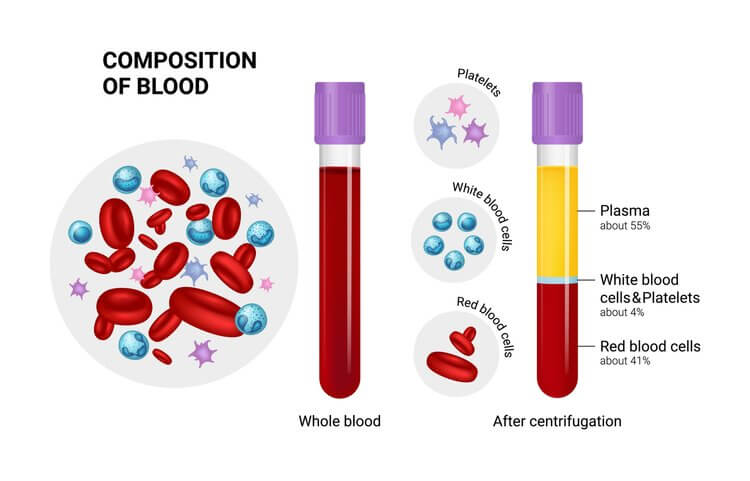
During a platelet-rich plasma skin treatment, a small amount of blood is taken and processed in a centrifuge to concentrate the platelet-rich plasma. This plasma is then injected into targeted areas of the skin to support collagen stimulation and skin cell regeneration. After the treatment, minor redness may occur and usually settles within a day, while visible changes may start to appear within a week and develop gradually.
What Conditions Can PRP Help With?
Understanding the concerns this collagen regeneration treatment may address can make it easier to decide if it fits your goals and routine. A consultation with a doctor can help assess its suitability for your skin or hair concerns.
Fine Lines and Wrinkles
The treatment may help reduce the look of fine lines and wrinkles by supporting collagen production.
Acne Scars
PRP treatment for acne scars may support the skin’s repair and regeneration processes to help reduce the appearance of acne scars.
Uneven Skin Texture
PRP for dull skin and texture may help support a smoother-looking surface through collagen production and natural skin regeneration.
Sagging or Loose Skin
It may support skin elasticity and firmness in areas such as the face and neck, where sagging can appear with age.
Dark Eye Circles and Eye Bags
The treatment may help address puffiness and dark circles by supporting the delicate skin around the under-eye area.
Hair Thinning and Loss
PRP therapy may stimulate hair follicles and support hair density.
Benefits of PRP Skin Regeneration Treatment
The benefits of PRP depend on how the treatment is used and the concern being addressed. As one of the skin regeneration treatments in Malaysia, it is usually discussed during a consultation before the treatment begins.
Natural Healing Process
It uses the body’s own growth factors for skin repair to help reduce the risk of allergic reactions or complications.
Minimal Discomfort
The treatment usually involves mild discomfort, and minor redness often settles within a day.
Gradual Changes
PRP supports gradual changes in skin texture and appearance over a period of time.
Versatile Treatment Areas
PRP can be used on several areas, including the face, neck, scalp, and hands, depending on the concern.
How Many PRP Sessions Are Needed?
Most people may need about three to six PRP sessions, often spaced four to six weeks apart, depending on the concern being treated, skin condition, and response to treatment. The exact number of sessions should be planned during a consultation with a qualified doctor, who can assess the treatment area, treatment goals, medical history, and expected recovery time.
How Long Does a PRP Session Take?

A PRP session takes about 60 to 120 minutes, depending on the treatment area and clinic process. This includes drawing a small blood sample, processing it to concentrate the platelets, and injecting the platelet-rich plasma into targeted areas. The actual injection process is usually short, so the overall time for this skin repair treatment can fit into a planned clinic visit.
How Long Does PRP Take to Work?
Results may start to appear within a week, with changes developing gradually. As a collagen regeneration treatment, PRP may take a few weeks to show its effects as the skin begins to renew itself. For hair regrowth, results may take longer to show, with visible changes appearing after a few months.
Does PRP Treatment Hurt?
PRP therapy is described as mildly uncomfortable rather than painful. During the injection, the treated area may feel like a small pinch or pressure, and numbing cream or local anaesthesia may be used to help reduce discomfort. After the treatment, mild redness or swelling may occur and usually settles within a day as post-treatment skin healing begins.
Is There Any Downtime After PRP Treatment?
PRP treatment usually involves minimal downtime, although this can vary depending on the treatment area and skin response. Some people may experience mild redness or swelling at the treated area, which often settles within a day as dermal healing begins.
Many people can return to normal activities after treatment, but they are usually advised to avoid strenuous exercise and sun exposure for the first 24 hours.
How to Care for Your Skin After PRP Treatment?
After a PRP skin regeneration treatment, aftercare helps support the skin as it recovers. The doctor will give specific instructions based on the treated area, skin response, and treatment plan.
- Avoid direct sun exposure for at least 24 hours to reduce the risk of added irritation.
- Drink enough water and use the moisturiser recommended by your doctor to support post-treatment skin healing.
- Use a gentle cleanser and avoid strong scrubs or exfoliants for about a week after treatment.
- Avoid strenuous activities for 24 to 48 hours to reduce swelling.
- Avoid alcohol and smoking, as both may affect the healing process.
Following these aftercare steps can help support the skin as it recovers after treatment. It may also help reduce the risk of irritation during the early healing period.
Can PRP Be Combined With Other Skin Treatments?
Yes, PRP may be combined with other aesthetic treatments, such as dermal fillers or laser therapy, depending on the concern being addressed. A doctor can review your skin condition and treatment goals before advising on a suitable plan.
PRP Treatment in Malaysia at Anna Hoo Clinic
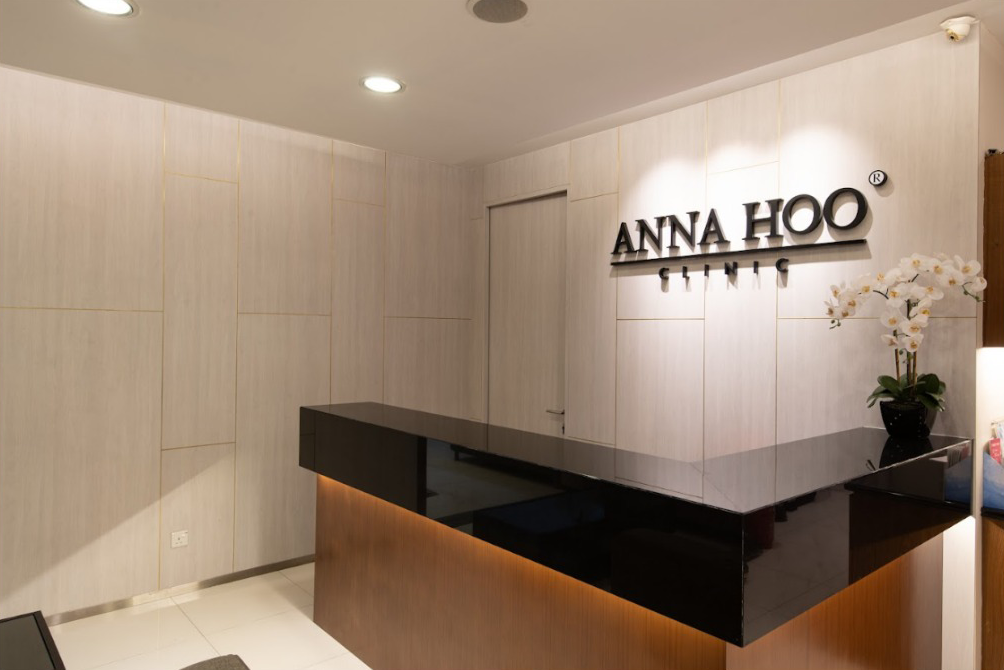
Anna Hoo Clinic provides medical wellness and aesthetic services in a clinical setting, including PRP facials in Kuala Lumpur. A licensed doctor will assess your skin concerns, review suitability, and explain the available treatment options based on your needs and goals.
Individual Consultation Approach
The doctor reviews the patient’s medical history, concerns, and skin or hair condition before discussing a treatment plan based on the assessment findings.
Clinical Setting and Facilities
Procedures take place in a clinical environment using approved equipment. For PRP in Petaling Jaya, the clinic follows clinical standards for in-clinic procedures.
Licensed Professionals
Consultations and treatments are carried out by certified and licensed doctors in line with clinical guidance. The consultation may include a review of treatment areas, session details, downtime, and aftercare steps.
Safety and Protocol Adherence
The clinic follows documented safety protocols for screening, treatment planning, and post-treatment guidance as part of routine clinical practice.
Evidence-Based Approach
Treatment decisions are guided by clinical evidence and medical references. The plan may be adjusted according to treatment response, follow-up findings, and recovery needs.
FAQs About PRP Treatment in Malaysia
What is PRP skin treatment and how does it work?
PRP skin regeneration treatment uses a small amount of the patient’s own blood, which is processed to concentrate the platelet-rich plasma. This plasma is then injected into targeted areas to support the skin’s natural repair response.
What skin concerns can PRP help improve?
PRP may help with concerns such as uneven skin texture, fine lines, wrinkles, acne scars, dark eye circles, mild skin laxity, and hair thinning. Suitability depends on a person’s skin condition, medical history, and treatment goals.
How many PRP sessions are usually needed for visible results?
People considering PRP may need about three to six sessions, often spaced four to six weeks apart. The exact number should be planned after a doctor assesses the concern and treatment area.
Is PRP treatment safe and suitable for all skin types?
PRP uses the patient’s own blood, which may reduce the risk of allergic reactions, and it is suitable for many skin types. However, it may not suit everyone, so a doctor should review the patient’s skin condition, medical history, and any existing health concerns before treatment.
How long does it take to see results after PRP treatment?
Some changes may start within a week, while skin-related results usually develop over several weeks as collagen production increases. For hair thinning concerns, visible changes may take a few months to appear.
Conclusion
PRP skin regeneration treatment can be considered by those who want to address skin concerns or hair thinning. Understanding how PRP works, the possible results, and the recovery period can help people make informed decisions. As an aesthetic skin treatment, it should be assessed by a certified doctor based on skin condition, medical history, and treatment goals.
At Anna Hoo Clinic, PRP treatments are discussed during a consultation where the doctor reviews the patient’s concerns and overall skin or hair condition. The discussion may include treatment suitability, session planning, expected recovery time, and key points to consider before proceeding. This helps patients understand what to expect from PRP treatment in Malaysia before deciding on the next step.