

As you age, you may start to notice a softer jawline, mild sagging around the cheeks, or skin that does not look as firm as it once did. That is why some people start comparing Ultraformer III vs Oligio to understand which option may suit their concerns and routine.
Some may want support for skin laxity before it becomes more noticeable, while others may be looking for a treatment that addresses a double chin. When looking into Ultraformer III vs Oligio in Malaysia, it helps to understand how each treatment approaches skin tightening and which skin concerns it may help address before deciding to book a consultation.
In this article, we compare how each treatment works and which concerns each one may be used for, along with the downtime you can expect. We also look at the results each approach may give and how long those effects may last.
Table of Contents
What Is the Difference Between Ultraformer III and Oligio?
Understanding the Ultraformer III vs Oligio difference starts with looking at the type of energy each treatment uses and the skin layer it targets. While both are non-surgical options used for skin tightening, they work in different ways and may suit different concerns.
Ultraformer III
Ultraformer III uses high-intensity focused ultrasound (HIFU) technology to deliver heat into the Superficial Muscular Aponeurotic System (SMAS) without affecting the skin surface. It helps support collagen production and a gradual lifting and tightening effect over time. This treatment can be used on various parts of the face, including the forehead, cheeks, jawline, around the eyes, and chin.
Key differences for Ultraformer III:
- Uses focused ultrasound energy
- Targets the SMAS while leaving the skin surface unaffected
- Commonly used for the face, neck, and body
- A session usually takes around 30 to 60 minutes
Oligio
Oligio uses monopolar radiofrequency (RF) technology to deliver controlled thermal energy into the dermis, where collagen fibres are found. This heat causes existing collagen to contract and supports new collagen production over time, which may help improve skin firmness and texture. It is usually used to address concerns such as mild sagging and skin laxity.
Key differences for Oligio:
- Uses monopolar radiofrequency energy
- Focuses on the dermis rather than the SMAS layer
- Often applied to areas such as the face, neck, and body
- A session usually takes around 30 to 60 minutes
Ultraformer III vs Oligio: Which Is Better?
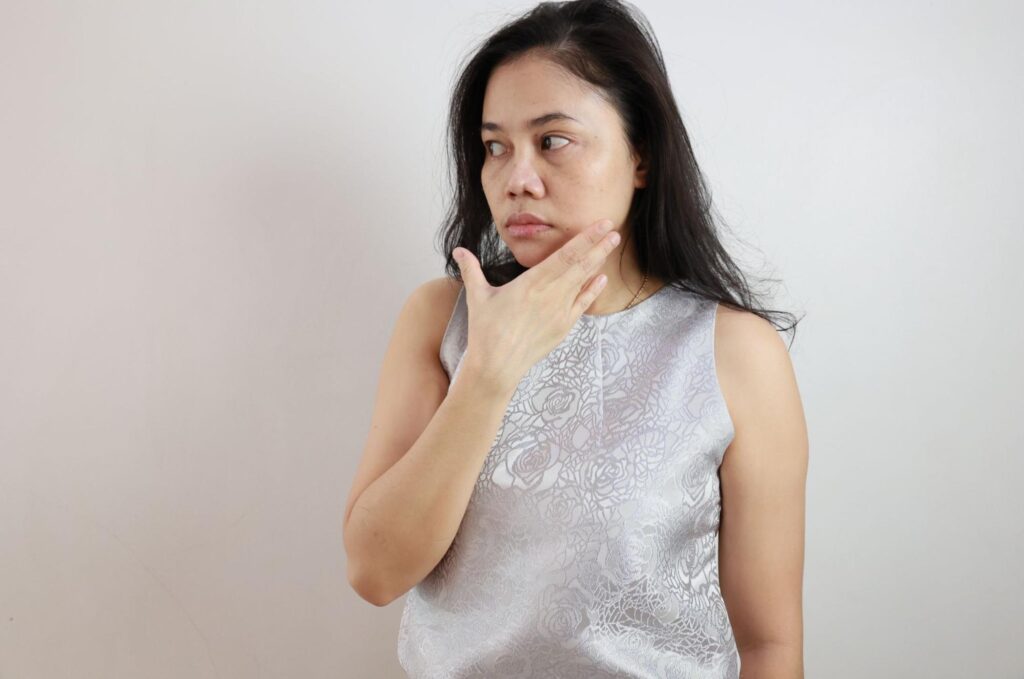
Choosing between these treatments depends on your skin concerns and the areas you want to address. A consultation with a doctor can help guide that decision based on your skin condition and answer questions such as HIFU vs RF skin tightening to determine which is better.
Ultraformer III vs Oligio for Skin Tightening
Ultraformer III uses HIFU technology to target the SMAS, which may support lifting and contouring. Oligio uses monopolar RF technology to target the dermis and is commonly considered when addressing mild sagging.
Ultraformer III vs Oligio for Jawline Lift
Ultraformer III delivers ultrasound energy to target fat beneath the chin, which may help support jawline definition. Oligio uses thermal energy to support collagen activity in the skin, which may help address mild sagging along the jawline.
Ultraformer III vs Oligio for Mild Sagging
Ultraformer III supports collagen production, which may help tighten loose skin on the face and neck over time. Oligio also supports collagen production and may help address mild sagging.
Is Ultraformer III or Oligio Better for Asian Skin?
Neither treatment is considered the most suitable option for Asian skin, as they work on different layers and address different concerns. When comparing Ultraformer III vs Oligio for skin tightening, it helps to focus on your skin condition, areas of concern, and how your skin may respond to each method rather than viewing one as suitable for everyone.
Ultraformer III targets deeper structural layers, while Oligio focuses on the dermis, so each procedure may suit different levels of skin laxity. A doctor can assess factors such as skin condition and treatment goals to guide a choice that aligns with your needs.
Ultraformer III vs Oligio: Downtime

Both treatments usually involve minimal downtime, so they are often considered manageable for people returning to daily activities after their appointment. If you are wondering about the downtime of each procedure, a doctor can explain what to expect based on your skin.
After an Ultraformer III HIFU treatment, the skin may look slightly flushed immediately after the session, and this usually settles within a few hours. With Oligio radiofrequency skin tightening treatment, some people may notice mild redness or warmth in the treated area, which is typically temporary and tends to settle within a few hours.
Ultraformer III vs Oligio: How Long Do Results Last?
How long results last can vary from person to person, as the skin continues to age after treatment and factors such as skin condition, age, and maintenance may affect how long the effects remain visible.
For HIFU for face lifting, Ultraformer III results may last around 12 to 18 months, but future touch-up sessions may be considered as the skin changes over time. Oligio results may last up to a year or longer, and some people choose maintenance sessions once a year to help maintain the effect.
If you want to understand what results to expect, a doctor can outline timelines based on the type of procedure and your skin condition.
How to Treat Mild Skin Sagging Without Surgery
Mild skin sagging can be managed with non-surgical treatments that work by supporting collagen activity. When comparing options such as Ultraformer III vs Oligio for mild sagging, it helps to understand how each approach targets the skin and what level of laxity it is often used for.
Choosing the Right Approach
Some non-invasive aesthetic treatments target deeper structural layers, often referred to as SMAS layer skin tightening, while monopolar radiofrequency skin treatments focus on the dermis. The choice depends on how much lifting support you need and how your skin responds to each approach.
Considering Treatment Maintenance
Doctors may recommend follow-up sessions to help maintain results, depending on how your skin responds after the initial treatment. The timing and frequency can vary based on the treatment area and individual skin condition.
Building a Consistent Skincare Routine
Daily skincare may help support overall skin condition and hydration, which can affect how the skin looks and feels. Ingredients that support the skin barrier and collagen production may be considered as part of a routine for mild sagging.
Managing Lifestyle Factors
Factors such as sun exposure, sleep, and stress may influence how the skin changes with age. Paying attention to these lifestyle habits may help support overall skin condition alongside any treatment plan.
Skin Tightening Treatment in Malaysia at Anna Hoo Clinic
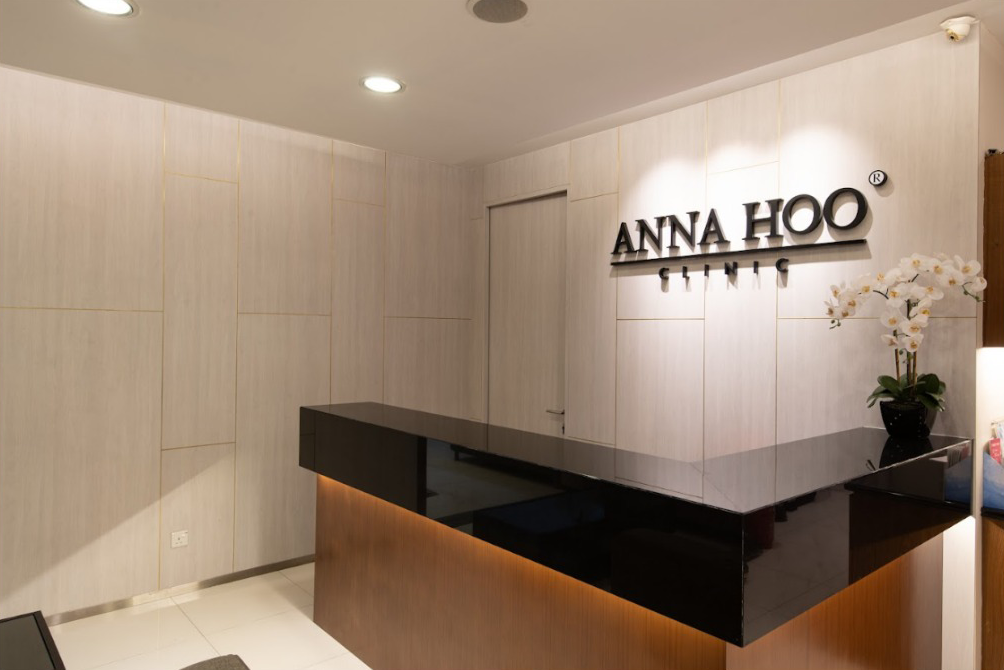
Anna Hoo Clinic provides medical wellness and aesthetic services in a clinical setting. A licensed doctor assesses your skin, reviews suitability, and explains available treatment options based on your concerns and goals.
Individual Consultation Approach
A doctor reviews your medical history, current concerns, and skin condition before outlining a treatment plan.
Clinical Setting and Facilities
Procedures are carried out in a clinical setting using approved equipment. The clinic follows standard in-clinic procedures as part of routine practice.
Licensed Professionals
Consultations and treatments are provided by licensed doctors in line with clinical guidance. The discussion may cover treatment types, treatment areas, session planning, and considerations such as Ultraformer III vs Oligio for jawline lift.
Safety and Protocol Adherence
The clinic follows documented protocols for screening, treatment planning, and post-treatment guidance as part of standard clinical practice.
Evidence-Based Approach
Treatment decisions are guided by clinical evidence and medical references. The treatment plan may be adjusted based on assessment findings and follow-up requirements.
FAQs About Ultraformer III vs Oligio in Malaysia
Is Oligio or Ultraformer better?
There is no single option that is considered better, as both treatments target different skin layers and concerns. When comparing Ultraformer III vs Oligio, the choice depends on your skin condition, the area being treated, and how your skin responds to each method.
Does Ultraformer destroy fat?
Ultraformer may affect fat cells to support fat reduction in treated areas. It is used for areas with stubborn fat deposits, such as beneath the chin, arms, the abdomen, hips, and thighs.
How long does Oligio treatment last?
Oligio results may last up to a year or longer, although this can vary from person to person. Some people choose maintenance sessions annually to help maintain the effect of the treatment.
Does Ultraformer III really work?
Ultraformer III is used to support skin tightening by stimulating collagen activity in deeper layers of the skin. It is sometimes considered as part of a non-surgical jawline lift in Malaysia, depending on the individual’s skin condition and treatment goals.
How many sessions of Ultraformer III are needed?
The number of sessions varies depending on the area treated and the level of skin laxity. Some people may start with one session and consider follow-up treatments based on how their skin responds and changes over time.
Final Thoughts on Ultraformer III vs Oligio
When comparing Ultraformer III vs Oligio, the choice depends on your skin concerns, the areas you want to address, and how your skin responds to each method. Each treatment works on different layers, so the approach may vary based on the level of skin laxity and treatment goals.
Practical factors such as downtime, session planning, and maintenance may also influence your decision. Considerations such as Ultraformer III vs Oligio price in Malaysia may vary depending on the treatment area and the number of sessions required.
At Anna Hoo Clinic, non-surgical facelift options in Malaysia are discussed during a consultation to understand each patient’s concerns and treatment goals. Our doctor will explain the procedure, review suitability, outline the possible session frequency, and discuss downtime and cost considerations prior to starting treatment.