

Introduction
Searching for a “slimming treatment near me” can leave you with a long list of clinics, all promising a slimmer shape. Choosing one on distance or price alone is a gamble. The quality of the medical assessment, the doctor behind the treatment and the follow-up care all matter far more than the machine on the menu.
At Anna Hoo Clinic, we believe slimming care should start with understanding your body, not selling a package. This guide explains what to look for in a slimming treatment clinic, from assessment and qualifications to treatment options, progress tracking and warning signs.
Table of Contents
Why Should a Slimming Treatment Clinic Start With a Medical Assessment?
Blood sugar testing included in most full body checkups can identify prediabetes or early type 2 diabetes well before symptoms lA reliable clinic begins with a consultation and physical examination. The doctor should review your medical history, assess the areas that concern you and ask about your goals and lifestyle. Hormonal changes, certain medications and conditions such as thyroid disorders can all affect how your body stores fat, so a standard package for everyone rarely makes sense. Malaysia’s Clinical Practice Guidelines for the Management of Obesity, developed with the Ministry of Health Malaysia, also call for individualised care and for checking associated conditions and medications that may contribute to weight gain.
Body composition analysis is also valuable. A test such as the InBody passes a low-level electrical current to measure body fat, muscle mass and water. Two people can weigh the same but have very different body composition, which is why the scale alone does not tell the full story.
Who Should Be Performing Your Slimming Treatment?
Ask who will carry out and supervise your treatment. Look for a licensed doctor with recognised aesthetic medicine training, not only a sales consultant. A trustworthy clinic is happy to share its doctors’ credentials.
For example, Dr. Ian Tan specialises in body sculpting, fat reduction and skin tightening. He earned his medical degree from the University of Science Malaysia (USM) in 2006, is a Letter of Credentialing and Privileging (LCP) holder certified by the Ministry of Health Malaysia, and holds a diploma from the American Academy of Aesthetic Medicine. He also combines aesthetic procedures with dietary and lifestyle guidance, which is a good sign of a well-rounded approach.
Dietary guidance is also worth asking about. Treatments are intended to work alongside sensible eating and regular activity, so a clinic that can advise on diet and lifestyle alongside the procedure helps you look after your results.
Which Slimming Treatment Options Should a Good Clinic Explain?
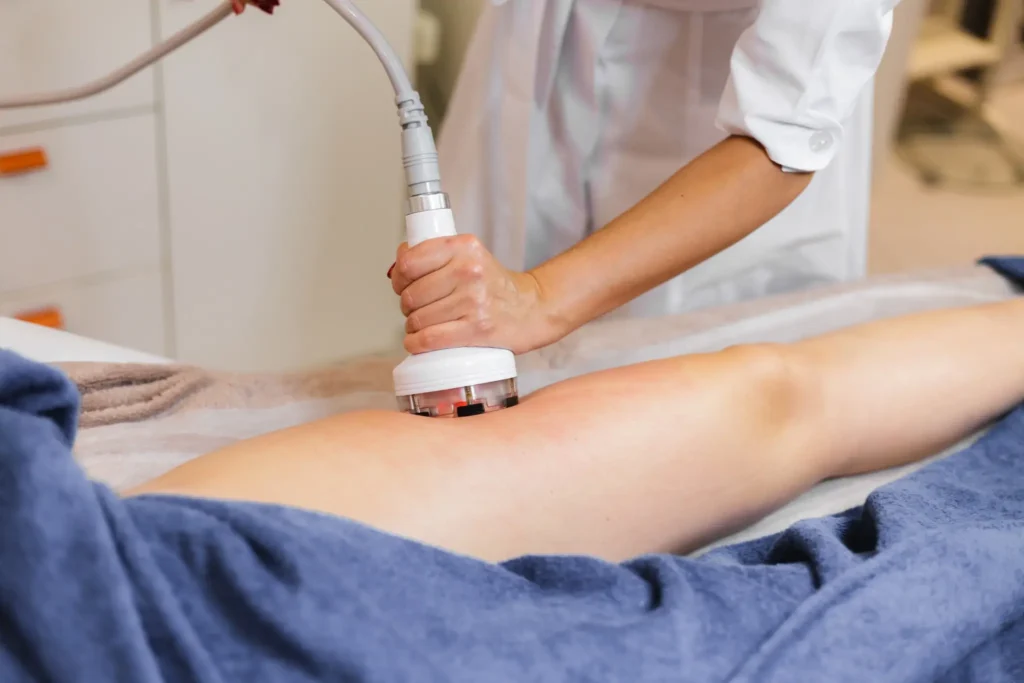
A good clinic explains your options in plain language and tells you which one suits your concerns. Non-surgical approaches commonly include cryolipolysis (controlled cooling intended to damage fat cells, which the body then clears over time), laser lipolysis, radiofrequency lipolysis, fat-melting injections and shockwave therapy. Some are designed for localised fat, while others focus on skin laxity.
It is equally important to understand what these treatments are not. Body contouring is not a weight loss solution. It is intended to refine specific areas, such as the abdomen, thighs, arms, back or under the chin, that stay stubborn despite regular exercise and a healthy lifestyle. If your main goal is losing weight overall, a medically guided programme is a better starting point. Our guide on what to look for in a weight loss program in Malaysia covers this in more detail.
Ask to see your treatment plan explained clearly, including how many sessions are suggested and why. A plan built around your own assessment should look different from the next person’s.
How Should a Clinic Track Your Progress?
Progress should never rely on weight alone. Ask how the clinic will measure results, for example through body composition readings and body measurements taken at set intervals. Regular follow-up visits allow the doctor to adjust your plan based on how your body actually responds, rather than following a fixed routine.
A good clinic also sets realistic expectations from the start. Results from body contouring can be maintained long term with a balanced diet and regular physical activity, although natural ageing and lifestyle factors can influence outcomes over time. A clinic that avoids this conversation is not putting your long-term results first.
What Red Flags Should Make You Look Elsewhere?
Be cautious if a clinic:
- Promises guaranteed or dramatic results within a very short time
- Offers a price without any consultation or health questions
- Pressures you to pay for a large package upfront
- Cannot explain how a treatment works, or avoids discussing risks and side effects
- Does not tell you who will be performing the treatment
- Discourages you from checking with your own doctor
Any one of these is a good reason to pause. A good slimming clinic welcomes your questions and gives clear, honest answers, even when the honest answer is that a treatment is not right for you.

Does Location Matter When Choosing a Slimming Treatment Near Me?
Convenience matters, because slimming plans usually involve more than one visit. A clinic that is easy to reach makes it simpler to attend follow-up appointments. Still, location should be the last filter rather than the first. Quality of assessment and medical supervision come first.
Anna Hoo Clinic has two locations: Petaling Jaya, at Block Dahlia, 10 Boulevard, Lebuhraya Sprint, and Bangsar, at Menara BRDB, Jalan Maarof. Both are open Monday to Saturday, 9:00am to 6:00pm, and closed on Sundays and public holidays.
Frequently Asked Questions
Is a slimming treatment the same as weight loss?
No. Body contouring targets specific areas of stubborn fat or loose skin. It is not a weight loss solution. People who are close to their ideal weight but have localised concerns are usually the better fit.
Are non-surgical slimming treatments painful?
Most people experience minimal discomfort. Sensations such as mild warmth, tingling or cooling during treatment are common and usually short-lived.
Who should perform a non-surgical slimming treatment?
The treatment should be carried out or supervised by a licensed doctor with recognised training in aesthetic medicine, not by a sales consultant. Ask for the doctor’s qualifications and credentialing. A clinic that is reluctant to share them, or will not tell you who is treating you before you commit, is worth stepping back from.
What should a slimming treatment plan include?
A plan should name the treatment chosen for your concern and the reason for it, the number of sessions suggested, and the spacing between them. It should reflect your own assessment rather than a standard package. If a clinic cannot explain why it has recommended what it has, you do not have enough to decide on.
How should a clinic track my progress?
Progress should rest on more than body weight. Ask whether the clinic takes body composition readings and measurements at set intervals, and how often you will be reviewed. Those reviews are what let a doctor adapt the plan to how your body is actually responding, instead of running every patient through the same schedule.
Conclusion
Choosing a slimming treatment clinic is not only about which is nearest. What matters is whether the clinic starts with a proper medical assessment, has qualified doctors, explains its options honestly and tracks your progress beyond the scale.
Anna Hoo Clinic offers consultations for concerns like these, so if you would like a professional assessment of your own situation, you can book a consultation.