
Introduction
Introduction
One of the biggest hesitations patients have about injectable treatments is the fear of ending up looking overdone or unnaturally “frozen,” a look that’s understandably put many people off exploring aesthetic treatments altogether. Understanding how a booster for skin differs from traditional fillers in this respect can help ease that concern significantly.
At Anna Hoo Clinic, achieving natural-looking results is central to how our doctors approach every treatment plan. This article explains why a booster for skin tends to produce a notably different, more natural result compared to traditional volumising fillers.
We’ll cover how each treatment mechanically works, why this difference affects how natural the result looks, and how to choose the right option for your specific goals.
Table of Contents
How Do Skin Boosters and Fillers Mechanically Differ?
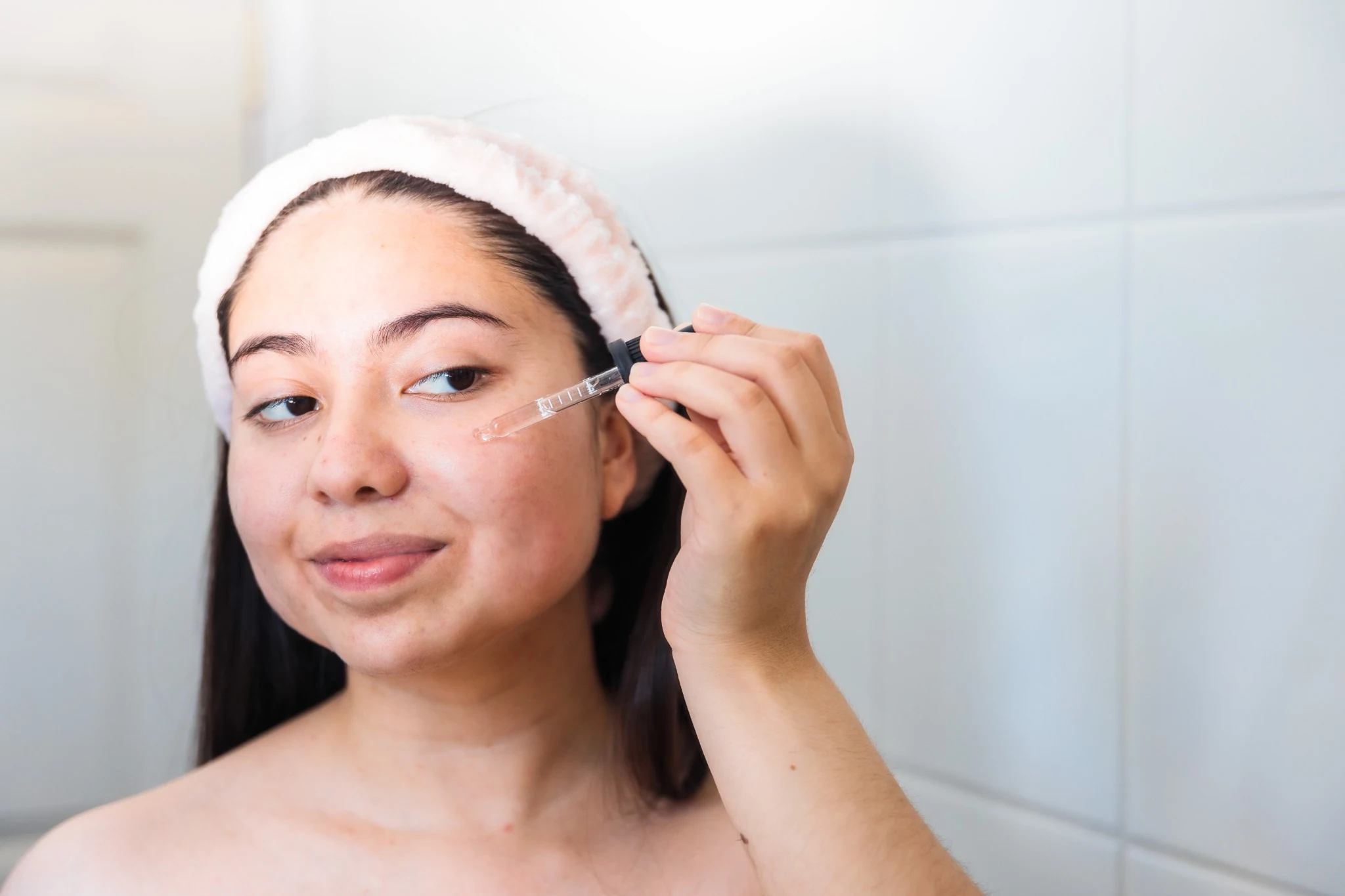
Traditional dermal fillers are injected to add structural volume, reshaping or lifting specific areas of the face through physical placement of product beneath the skin. Skin boosters, by contrast, are injected more superficially and in smaller quantities across a broader area, working to improve hydration and skin quality rather than adding defined volume or structure. This is a detail worth keeping front of mind throughout any booster for skin decision.
This fundamental difference in mechanism, structural reshaping versus quality improvement, is the core reason the two treatments tend to produce such different visual results. It’s a consideration that comes up again and again in booster for skin conversations with patients.
Why Does This Difference Affect How Natural the Result Looks?
Because fillers physically reshape areas of the face, overuse or imprecise placement can create a visibly altered, sometimes stiff or “frozen” appearance, particularly when used aggressively or without careful technique. A booster for skin, working more subtly across a broader area to improve overall skin quality, tends to enhance your natural features rather than changing their underlying structure. You can learn more about our doctors and approach on the Anna Hoo Clinic website. Many patients considering booster for skin overlook this until it’s raised during consultation.
This is precisely why many patients seeking a natural refresh, rather than a more dramatic structural change, gravitate toward boosters as their starting point. You can browse further reading on our Anna Hoo Clinic blog for additional context. This principle holds true whether you’re just starting to research booster for skin or already well informed.
What Does the Research Say About Skin Booster Results?
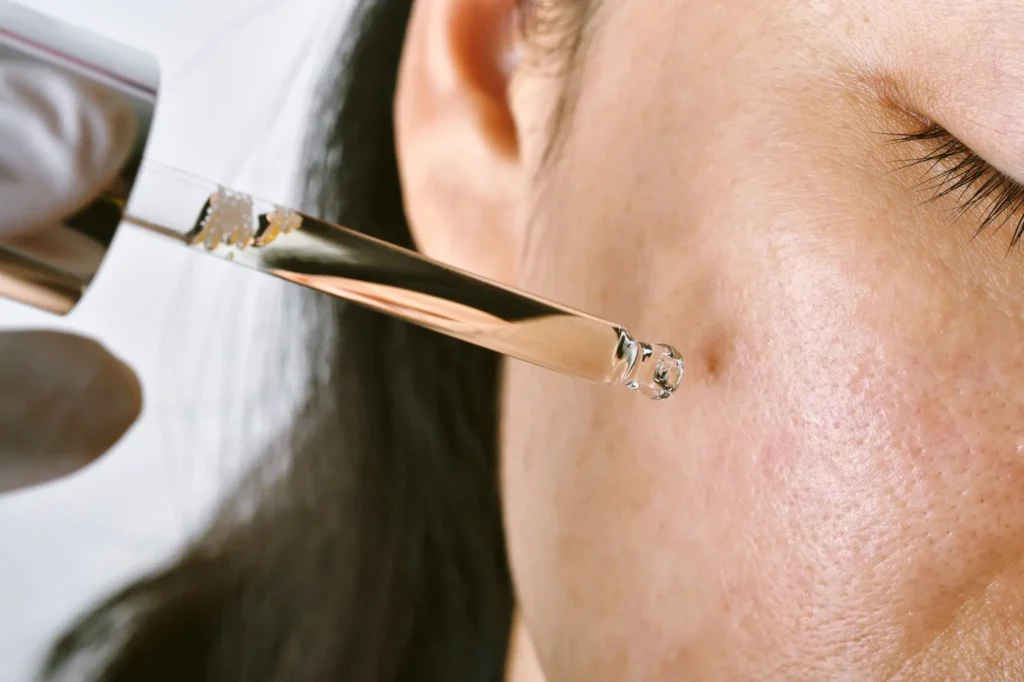
A clinical study published via PMC (National Center for Biotechnology Information) assessing hyaluronic acid-based skin boosters found measurable improvements in skin hydration, elasticity, and overall quality, with patient satisfaction scores reflecting a natural-looking enhancement rather than a dramatic structural change. This aligns with how skin boosters are generally designed to work, improving the quality of your existing skin rather than reshaping it. It’s exactly this kind of detail that separates a well-informed booster for skin decision from a rushed one.
This research-supported natural quality is a key reason skin boosters have grown so popular among patients specifically seeking subtle, undetectable results. This is one of the first things worth clarifying before pursuing booster for skin further.
Can Skin Boosters and Fillers Be Used Together?
Yes, many doctors combine both approaches strategically, using fillers for specific areas needing structural volume correction, and boosters more broadly to improve overall skin quality and radiance. This combination can achieve both a refreshed structural appearance and genuinely improved skin quality, without either treatment being pushed to an extreme that risks an unnatural look. Getting this right early makes the rest of the booster for skin process noticeably smoother.
A thoughtful combination approach, planned by an experienced doctor, is often how the most natural-looking, comprehensive results are achieved. It’s a small point, but one that consistently shapes how a booster for skin experience turns out.
How Do You Choose Between the Two for Your Specific Goals?
If your primary concern is dullness, dehydration, or overall skin quality without a desire to change facial structure, a booster for skin is likely the more appropriate starting point. If you’re seeking to address volume loss or reshape a specific area, filler may be more directly suited, though it’s worth discussing technique and product choice carefully with your doctor to avoid an overdone result. For further practitioner-standard guidance, New Zealand Society of Cosmetic Medicine is a useful reference point. This is exactly the kind of factor that experienced doctors consider when discussing booster for skin.
A proper consultation, where your specific goals and concerns are discussed openly, is the best way to determine which treatment, or combination, genuinely suits what you’re hoping to achieve. It’s worth revisiting this whenever your booster for skin plan reaches a new stage.

Frequently Asked Questions
Will a booster for skin ever make my face look frozen like fillers can?
This is uncommon, since boosters work to improve skin quality rather than add structural volume, which is the mechanism more commonly associated with an overdone, frozen appearance.
Can I get skin boosters if I’ve had a bad experience with fillers before?
Many patients who’ve been hesitant about fillers find skin boosters a more comfortable starting point, given their more subtle, quality-focused mechanism.
Do skin boosters and fillers require the same aftercare?
Aftercare is broadly similar, though your doctor will provide specific guidance tailored to whichever treatment, or combination, you receive.
Is combining skin boosters and fillers safe?
When planned appropriately by an experienced doctor, combining both treatments is a common, generally safe approach to achieving comprehensive results.
How do I know if I need a filler or a skin booster?
This depends on whether your primary concern is structural volume loss or overall skin quality and hydration, best clarified through a proper consultation.
Conclusion
A booster for skin tends to produce a more subtle, natural-looking result than traditional fillers because of how differently the two treatments work, improving skin quality rather than reshaping structure. Understanding this distinction can help ease concerns about looking overdone, and guide you toward the option that truly matches your goals.
Curious which approach suits your natural-look goals? Book a consultation with Anna Hoo Clinic today.