

Skin quality often changes with age, and concerns such as dryness, uneven texture, and fine lines can become more noticeable. Polynucleotide treatment is a non-surgical approach that uses purified DNA molecules to support the skin’s natural repair process.
The treatment focuses on promoting hydration, elasticity, and overall skin texture. A polynucleotide skin booster is often considered by those looking to address dehydrated skin or reduced firmness without extended downtime.
In this article, we discuss what the treatment is, how it works, and who it suits. We also cover the skin concerns it may help with, how many sessions it takes, and how long the results may last.
Table of Contents
What is Polynucleotide Treatment?
Polynucleotide treatment is a non-invasive skin procedure that uses purified DNA molecules to support the skin’s natural repair process. It is commonly used for concerns such as dryness, reduced elasticity, and uneven skin texture, while helping to support hydration and overall skin quality with minimal recovery time.
How Does It Work?
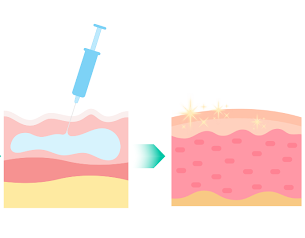
The polynucleotide procedure works by injecting polynucleotides, which are derived from DNA, into the skin layers. These molecules help the skin retain moisture, support cell renewal, and stimulate collagen production. The polynucleotide injection supports the skin’s natural repair processes, which may help improve smoothness, firmness, and hydration over time.
Who Is Suitable for Polynucleotide Treatment?
The treatment is often considered by individuals looking to support skin repair and improve overall skin quality. It may suit those with early to moderate skin concerns who prefer a non-surgical option with gradual changes.
- Individuals experiencing dryness or dehydrated skin
- Those with fine lines or early signs of skin ageing
- People noticing reduced skin elasticity or firmness
- Individuals with uneven skin texture or redness
- Those looking for a skin-repair approach such as PDRN treatment
- People who prefer treatments with minimal recovery time
Before getting the treatment, a certified doctor will consult the patient to determine if it is suitable for their concerns and desired outcomes by assessing the skin condition. This helps guide the treatment plan and gives the patient a clearer idea of what to expect from the procedure.
What Skin Concerns May It Help With?
Understanding the skin concerns this treatment may help with can make it easier to see where it may fit within a broader skin plan. A PDRN skin booster is discussed during a consultation for concerns linked to hydration, texture, and firmness.
Fine Lines and Wrinkles
This treatment may help soften the look of fine lines and wrinkles by supporting collagen production. Changes usually develop gradually rather than all at once.
Dehydrated Skin
It may support skin hydration by introducing DNA molecules that attract and retain moisture. This can be useful for skin that often feels dry, tight, or lacking comfort.
Rough Skin Texture
By supporting cell turnover, polynucleotide injections may help the skin feel smoother over time. They may also help the surface look more even.
Skin Laxity
This treatment may support collagen production to help address skin firmness and visible sagging.
Skin Redness
It may also help calm redness and soothe sensitive skin. This can support a balanced skin tone over time.
What Are the Benefits of Polynucleotide Skin Booster?
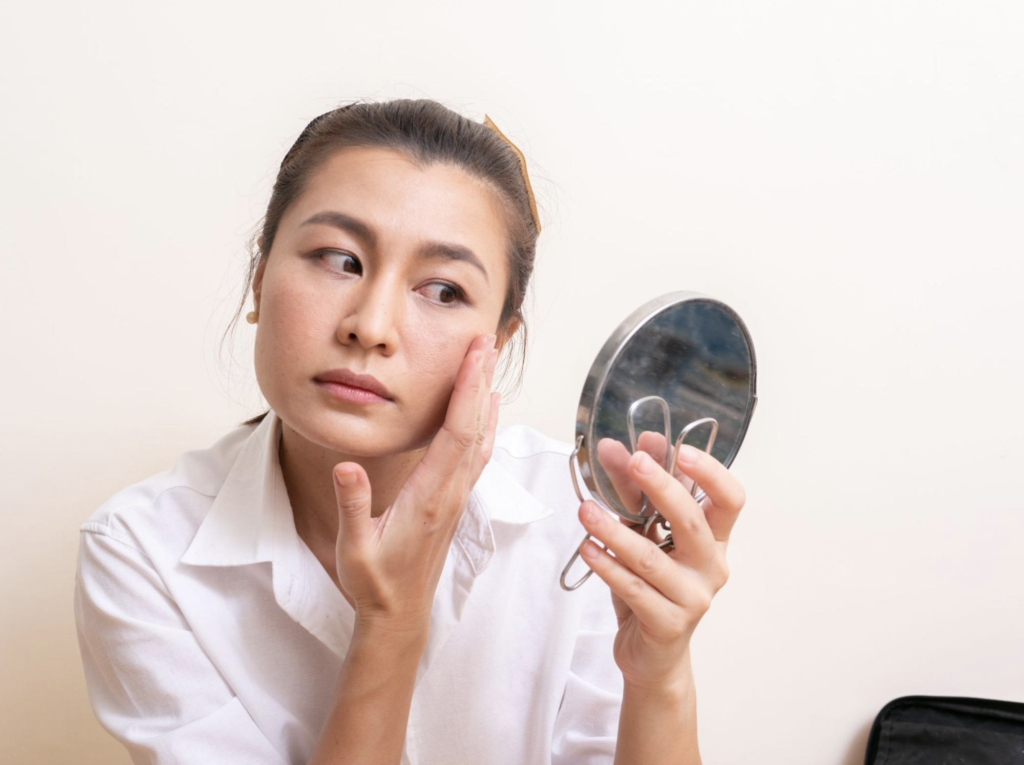
Learning about the potential benefits can help guide expectations before starting treatment. During a consultation, a certified doctor can assess the skin and explain how PDRN skin therapy may help with each individual skin concern.
- Supports Hydration – The treatment is designed to hydrate the skin as it helps the skin retain moisture. This can support a comfortable skin feel.
- Helps Skin Firmness – It may help stimulate collagen, which is linked to skin firmness. Changes may develop gradually with consistent sessions.
- Improved Skin Texture – By supporting the skin’s renewal process, PDRN injection may help address uneven texture and rough patches. This may lead to a smoother skin surface over time.
- Minimal Recovery Time – The procedure is generally associated with a minimal recovery period. Most individuals can return to their usual routine after each session.
What Are the Possible Side Effects of PDRN Skin Booster?
Some side effects may happen after treatment, especially around the injection area. These reactions are usually temporary, but the doctor should still explain what to expect before the procedure.
Redness and Swelling
Temporary redness and swelling can happen at the injection site after a PDRN injection. These effects often settle within 24 to 48 hours, although some individuals may take slightly longer to recover, especially if their skin is more sensitive.
Bruising
Mild bruising may also occur after treatment, and it is a common result of any injection procedure. This can happen when the needle goes through small blood vessels and does not necessarily indicate an allergic reaction or a defect with the product used.
Itching or Sensitivity
Some individuals may notice localised itching, tenderness, or skin sensitivity after the procedure. These reactions usually subside on their own within a few days.
After the procedure, it is advisable to keep yourself hydrated, opt for gentle skincare, and avoid picking or rubbing the treated area to allow it to heal.
How Many Treatment Sessions Are Needed?
Most treatment plans involve two to four sessions spaced a few weeks apart, although the exact number can vary based on the skin concern being treated and the outcomes the patient wants. During consultation, patients can ask the doctor to review PDRN injection before and after cases and discuss if options such as polynucleotide eye treatment may be suitable for their concerns.
How Long Do the Results Usually Last?

Results from polynucleotide treatments may last for several months, although this can vary depending on the individual’s skin condition and response to the procedure. To maintain the effects, the doctor may suggest follow-up sessions once or twice a year based on ongoing skin needs.
Can Polynucleotide Skin Booster Be Combined with Other Procedures?
It may be combined with other skin procedures, depending on the skin concern and the doctor’s assessment. Combinations such as PDRN treatment with microneedling or laser treatments may be discussed during consultation.
The doctor at Anna Hoo Clinic can advise on a suitable combination based on the skin condition, treatment goals, and recovery considerations.
PDRN Injection Price in Malaysia
The PDRN injection cost in Malaysia can vary depending on several factors, including the treatment area, the skin concerns being addressed, the number of sessions required, and any follow-up sessions. If you are looking for polynucleotide treatment in Kuala Lumpur or Selangor, the cost may also differ based on the clinic’s location and the doctor’s experience.
It is important to ensure the doctor explains the full treatment plan, expected number of sessions, and related costs clearly before deciding to proceed.
Polynucleotide Treatment in Malaysia at Anna Hoo Clinic
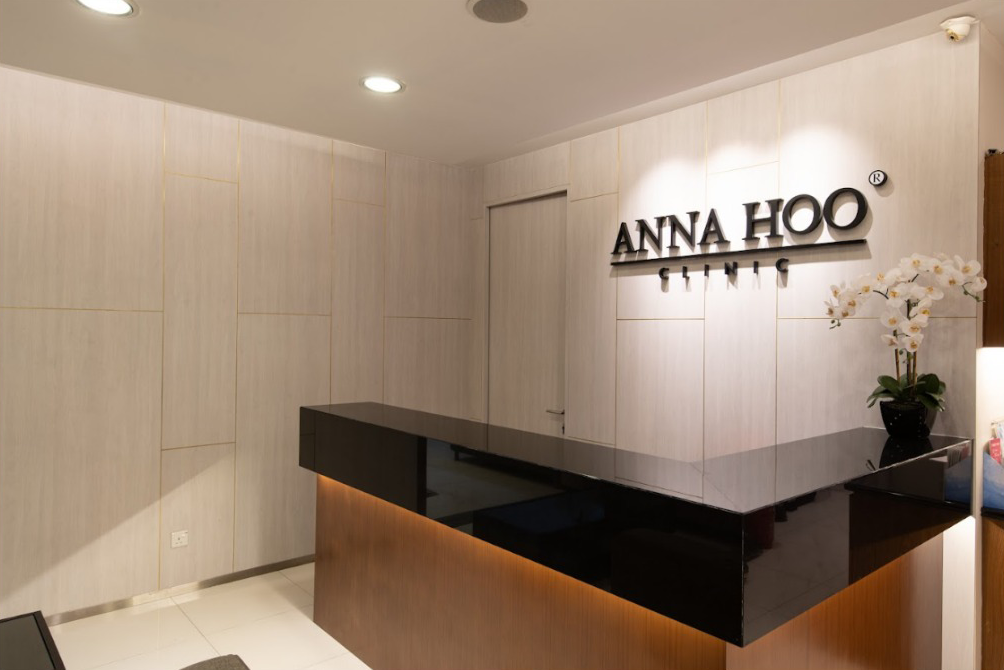
Anna Hoo Clinic offers polynucleotide skin rejuvenation as part of its medical wellness and aesthetic services in a clinical setting. A licensed doctor assesses the skin, reviews suitability, and explains the available treatment options based on the individual’s concerns and treatment goals.
Individual Consultation Approach
A licensed doctor reviews the patient’s medical history, current concerns, and skin condition before outlining a suitable plan.
Clinical Setting and Facilities
Procedures are performed using approved equipment in a clinical environment. The clinic also follows standard in-clinic procedures as part of routine practice.
Licensed Professionals
Consultations and treatments are provided by licensed doctors in line with clinical guidance. The discussion may include treatment areas, session duration, and downtime.
Safety and Protocol Adherence
The clinic follows documented protocols for screening, treatment planning, and post-treatment guidance. These steps form part of standard clinical practice before and after treatment.
Evidence-Based Approach
Treatment decisions are based on clinical evidence and medical references. The plan may be adjusted according to assessment findings and follow-up needs.
FAQs About Polynucleotide Treatment
What is a polynucleotide treatment?
A polynucleotide treatment is a non-surgical procedure that uses purified DNA-based molecules to support the skin’s natural repair process. It is often used for concerns such as dryness, uneven texture, and reduced skin firmness.
How long do polynucleotide injections last?
Results from a polynucleotide injection may last several months, depending on the individual’s skin condition and response to the treatment. Follow-up sessions may be recommended once or twice a year to maintain the effects.
Which is better: Botox or polynucleotides?
Botox and PDRN mesotherapy work in different ways and are used for different concerns. Botox is commonly used to reduce muscle-related lines, while polynucleotides are used to support skin quality, so suitability depends on the individual’s needs.
What are the side effects of polynucleotide injections?
Some individuals may experience temporary redness or swelling after a PDRN facial. Mild bruising, itching, or skin sensitivity may also occur, and usually settle within a few days.
How many polynucleotide sessions are needed?
Most treatment plans involve around two to four sessions spaced a few weeks apart. The number of sessions may vary depending on the skin concern and how the skin responds.
Conclusion
Polynucleotide treatment is often considered as part of a non-invasive approach to managing skin concerns such as dryness, texture changes, and skin laxity. Understanding how the treatment works and what it may help with can support informed decisions before undergoing the procedure.
For those considering polynucleotide treatment in Selangor or Kuala Lumpur, the price may vary depending on factors such as the clinic, treatment area, and number of sessions required. It is usually discussed during consultation based on individual skin concerns and treatment planning.
At Anna Hoo Clinic, polynucleotide skin boosters are discussed during a consultation to understand the patient’s skin concerns and treatment goals. Our licensed doctor will explain the procedure, discuss possible downtime, and provide aftercare guidance based on the clinical assessment.