
Introduction
Ask around and you’ll hear plenty of opinions about pico laser versus traditional laser treatments, but the actual technical differences rarely get explained clearly. Understanding what separates the two isn’t just interesting background, it directly affects what results you can realistically expect and how comfortable the recovery process will be.
At Anna Hoo Clinic, we get asked about this pico laser comparison often, especially from patients who’ve tried older laser treatments in the past without the results they hoped for. This article breaks down the three biggest differences between pico laser and traditional laser technology, so you can have a more informed conversation with your doctor.
We’ll cover pulse duration, how each technology handles different skin tones, and what this means for downtime and recovery.
Table of Contents
Difference One: Pulse Duration and How It Affects Results
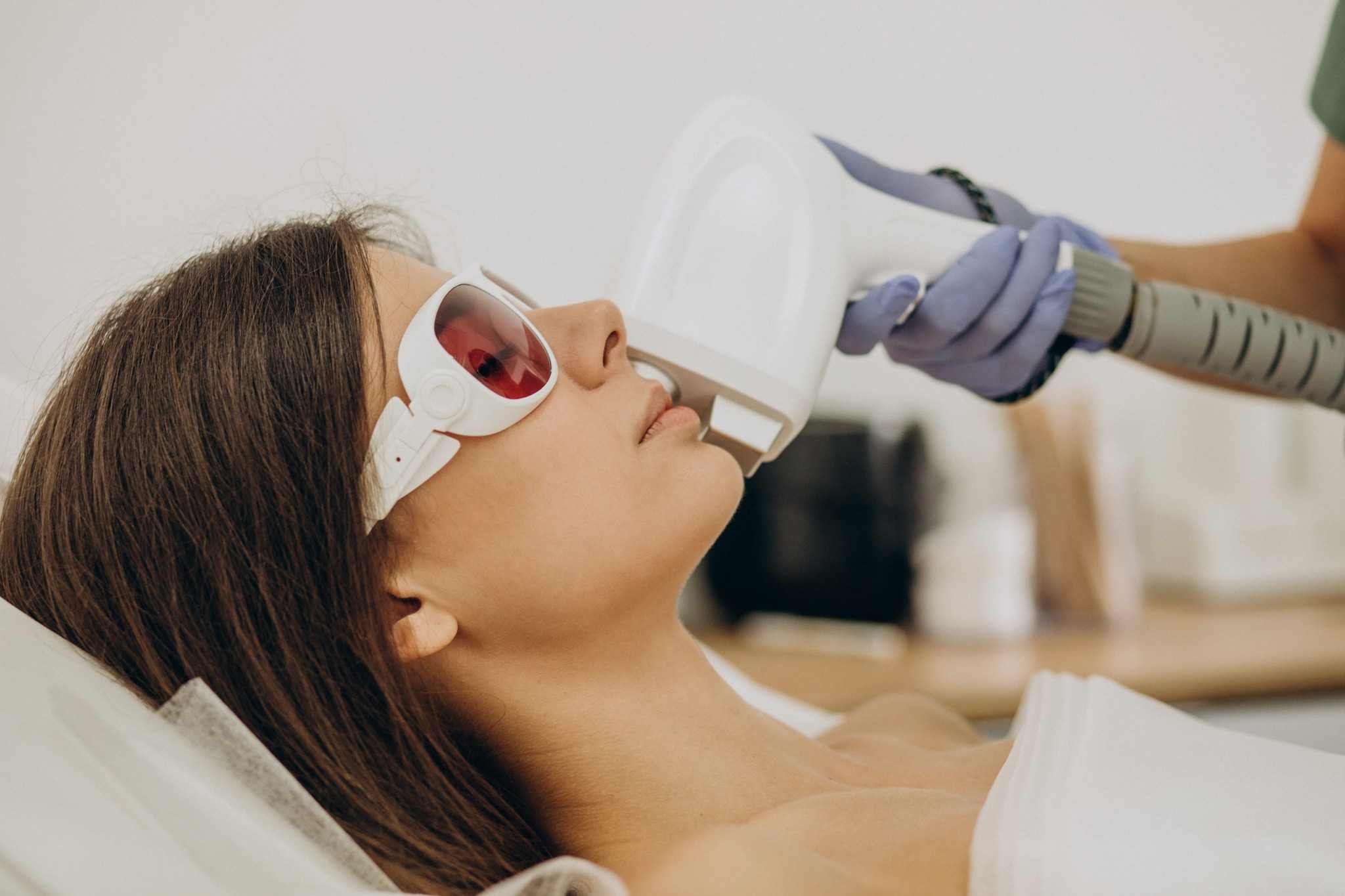
The defining difference between pico laser and traditional laser systems is pulse duration. Pico lasers deliver energy in picoseconds, trillionths of a second, while traditional Q-switched lasers operate in nanoseconds, which is a thousand times longer. This shorter pulse allows pico laser technology to shatter pigment into much finer particles. This is a detail worth keeping front of mind throughout any pico laser decision.
Finer pigment particles are more easily cleared by the body’s natural processes, which is part of why pico laser treatments are often associated with fewer sessions needed for comparable pigmentation results, though this varies by individual case.
Can PDifference Two: How Pico Laser Affects Surrounding Skinico Laser Treatment Help With Acne Scars and Texture?
Traditional lasers rely more heavily on heat to break down pigment, which can cause more thermal damage to the tissue surrounding the treatment area. Pico laser technology’s shorter pulse duration generates comparatively less heat, which is one reason it’s often considered gentler on surrounding skin. You can learn more about our doctors and approach on the Anna Hoo Clinic website.
According to DermNet NZ’s overview of lasers in dermatology, the reduced thermal effect of shorter pulse durations is a key mechanism distinguishing picosecond laser technology from older nanosecond systems, particularly relevant for minimising unwanted side effects. You can browse further reading on our Anna Hoo Clinic blog for additional context.
Difference Three: Suitability Across Different Skin Tones
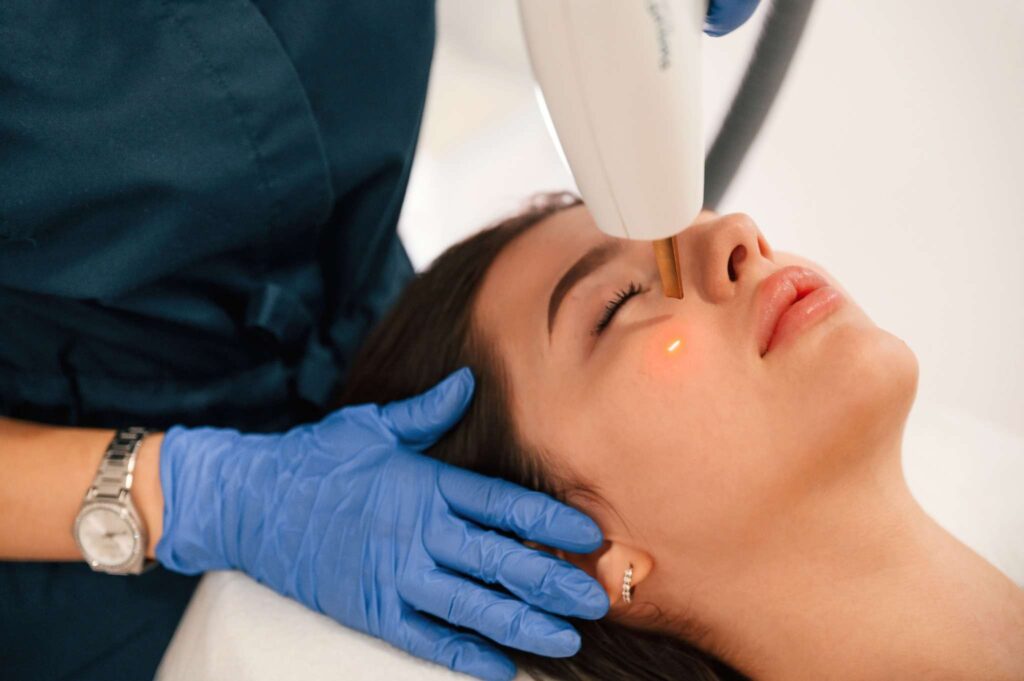
Because traditional lasers generate more heat, they carry a comparatively higher risk of post-inflammatory hyperpigmentation in darker skin tones. Pico laser technology’s reduced thermal impact makes it generally more adaptable across a broader range of skin types, though risk is never fully eliminated and still depends on individual assessment.
This doesn’t mean traditional lasers are obsolete. Certain conditions and treatment goals may still be better suited to specific traditional laser wavelengths, which is exactly why a proper consultation matters more than choosing a treatment based on marketing terms alone.
What Does This Mean for Downtime and Recovery?
Given the reduced thermal impact, pico laser treatments are generally associated with shorter downtime and milder side effects compared to traditional laser treatments targeting similar concerns. Many patients return to normal activities within a day or two, though this depends on treatment intensity and individual skin response.
Traditional lasers, particularly more aggressive ablative options, often involve longer recovery periods with more noticeable redness or peeling, which is an important factor to weigh depending on your schedule and tolerance for downtime.

Which Technology Is Right for Your Specific Concern?
Neither pico laser nor traditional laser technology is universally better, since the right choice depends on your specific skin concern, skin type, and treatment goals. A tattoo with certain ink colours, for example, might respond differently to pico laser than to a traditional laser system. For further clinical background, DermNet NZ on picosecond lasers provides additional authoritative detail worth reviewing.
This is why the decision shouldn’t be based purely on which technology sounds more advanced, but on a proper assessment matching the tool to your specific concern.
Frequently Asked Questions
1. Is pico laser always better than traditional laser treatment?
Not necessarily for every concern. While pico laser offers advantages for many pigmentation and texture concerns, certain conditions may still respond better to specific traditional laser wavelengths.
2. Does pico laser cost more than traditional laser treatment?
Pricing varies by clinic and treatment plan. It’s best to discuss costs directly during a consultation, alongside expected number of sessions for your specific concern.
3. Can pico laser treat the same concerns as traditional laser?
There’s significant overlap, particularly for pigmentation and tattoo removal, though the underlying technology and recovery experience differ meaningfully between the two.
4. Why does pulse duration matter so much in laser treatment?
Shorter pulse durations reduce heat transfer to surrounding tissue, which can mean less thermal damage, potentially fewer side effects, and different recovery timelines compared to longer-pulse systems.
5. How do I know which laser technology is right for me?
A proper consultation assessing your specific skin concern, tone, and goals is the only reliable way to determine the most suitable laser technology for your situation.
Conclusion
Understanding the differences between pico laser and traditional laser technology, pulse duration, thermal impact, and downtime, helps you have a more informed conversation with your doctor rather than choosing based on which term sounds more advanced. The right choice always comes down to your specific skin concern and goals.
Want to know which laser technology suits your skin? Book a consultation with Anna Hoo Clinic today for a proper assessment.