
Introduction
Introduction
If you’ve spent months, or even years, applying brightening creams and serums to stubborn pigmentation without much success, you’re not alone, and there’s a specific reason topical products often fall short. Understanding why pico laser can succeed where creams plateau helps explain why so many patients eventually turn to it.
At Anna Hoo Clinic, we regularly see patients who’ve exhausted their topical options before finally exploring pico laser as a next step. This article explains exactly why pigmentation sometimes sits beyond what any cream can reach, and how pico laser addresses it differently.
We’ll cover where pigmentation actually forms within the skin, why topical products have limited reach, and how pico laser’s mechanism allows it to target pigment more directly.
Table of Contents
Where Does Stubborn Pigmentation Actually Form in the Skin?
While some pigmentation sits close to the skin’s surface and responds reasonably well to topical treatment, other forms, like melasma or deeper sun damage, form within the dermis, a layer well beneath where topical products can effectively penetrate. This depth is precisely why certain pigmentation concerns prove so resistant to even a diligent, consistent skincare routine.
Understanding this distinction helps explain why some pigmentation responds beautifully to creams while other, seemingly similar-looking, spots simply don’t budge no matter what’s applied.
Why Do Topical Products Have Limited Reach?
The skin’s outer barrier, the stratum corneum, is specifically designed to prevent substances from penetrating too deeply, which is generally a protective feature but becomes a limitation when trying to treat deeper pigmentation. Even well-formulated brightening ingredients can only meaningfully affect pigment sitting relatively close to the surface, leaving deeper concerns largely untouched. You can learn more about our doctors and approach on the Anna Hoo Clinic website.
This isn’t a failure of any particular product, it’s a structural limitation of how topical treatment works in general, regardless of how expensive or well-marketed the product might be. You can browse further reading on our Anna Hoo Clinic blog for additional context.
How Does Pico Laser Reach Pigmentation That Creams Cannot?
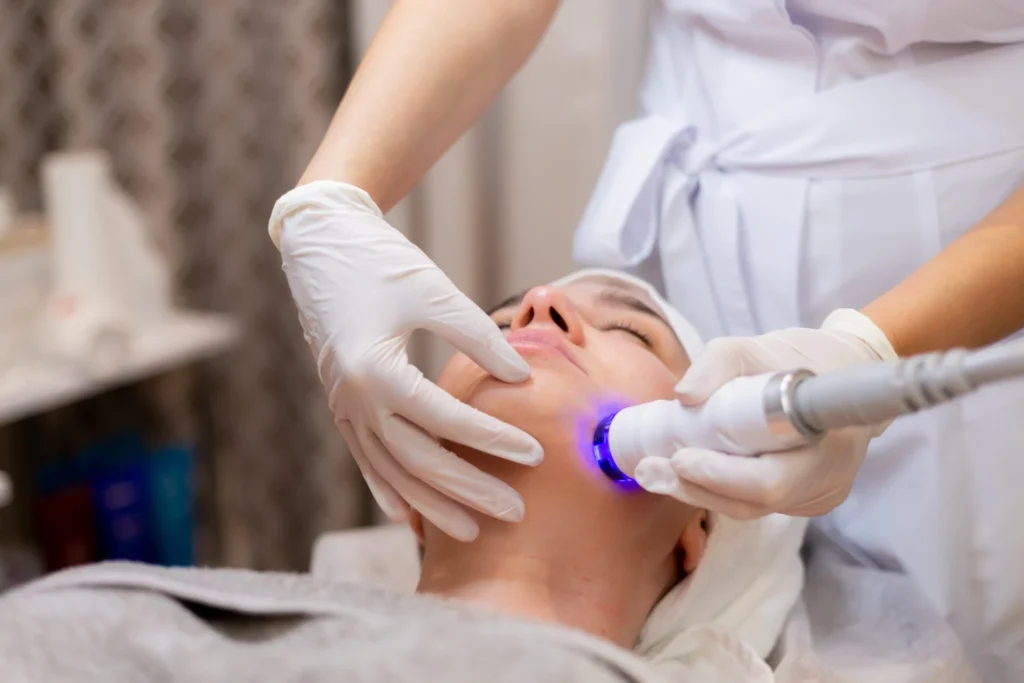
Pico laser technology delivers energy directly through the skin’s layers to reach pigment wherever it sits, including deeper dermal pigmentation that topical products simply cannot access. According to DermNet NZ, picosecond lasers have been used effectively for a range of pigmentary conditions, including melasma and solar lentigines, precisely because the laser energy can target pigment at whatever depth it resides.
This ability to reach beyond the skin’s surface is the fundamental reason pico laser can succeed with pigmentation concerns that have proven resistant to topical treatment alone.
Does This Mean Skincare Becomes Unnecessary After Pico Laser?
Not at all, a good skincare routine, particularly consistent sun protection, remains important both before and after pico laser treatment to protect results and prevent new pigmentation from forming. Topical products and pico laser work at different levels and serve complementary rather than competing roles in managing pigmentation over the long term.
Your doctor may also recommend specific topical products to support healing and maintain results following your pico laser sessions.
How Do You Know If Your Pigmentation Needs This Deeper Approach?
If you’ve consistently used appropriate topical treatments for several months without meaningful improvement, this is often a reasonable sign that your pigmentation sits deeper than topical products can effectively address. A proper skin assessment can help identify the type and depth of your specific pigmentation, guiding whether pico laser or another approach is the right next step. For further clinical background, DermNet NZ provides additional authoritative detail worth reviewing.
Rather than continuing to cycle through different creams indefinitely, a professional assessment can save considerable time and help you choose an approach genuinely suited to your specific concern.
Frequently Asked Questions
How long should I try topical treatments before considering pico laser?
If you’ve used appropriate products consistently for several months without meaningful improvement, it’s reasonable to consult a doctor about whether pico laser might be more suitable for your pigmentation.
Can pico laser treat all types of pigmentation?
Pico laser is effective for many pigmentation types, though results vary by specific condition, which is why a proper assessment is important before starting treatment.
Do I still need sunscreen if I get pico laser for pigmentation?
Yes, consistent sun protection remains essential both before and after treatment to protect your results and prevent new pigmentation from forming.
Is pico laser more effective than creams for melasma specifically?
Pico laser has been used effectively for melasma, though this is a condition that can be complex to treat, and your doctor will assess the best approach for your specific case.
Will my pigmentation come back after pico laser treatment?
Ongoing sun protection and skincare help maintain results, though some pigmentation-prone skin may require occasional maintenance treatment over time.
Conclusion
Pico laser can reach pigmentation sitting deeper within the skin than any topical cream can access, which is precisely why it often succeeds where a diligent skincare routine alone has plateaued. The two approaches work best as complements, not competitors, in managing pigmentation over the long term.
Ready to find out if pico laser could finally address your stubborn pigmentation? Book a consultation with Anna Hoo Clinic today.