
Introduction
One of the most common questions we hear from patients with sensitive or darker skin is whether pico laser is actually safe for them, or whether it’s a treatment better suited to lighter, less reactive skin types. It’s a fair concern, since older laser technologies did carry real risks for certain skin tones.
At Anna Hoo Clinic, our doctors assess every patient’s pico laser suitability individually rather than assuming any skin type is automatically excluded or included. This article explains what genuinely determines safety for sensitive and darker skin, so you can approach the decision with clearer, more accurate information.
We’ll cover why pico laser is generally considered gentler than older technologies, what still needs careful assessment, and how a proper consultation reduces risk regardless of your skin type.
Table of Contents
Why Is Pico Laser Generally Considered Gentler on Skin?
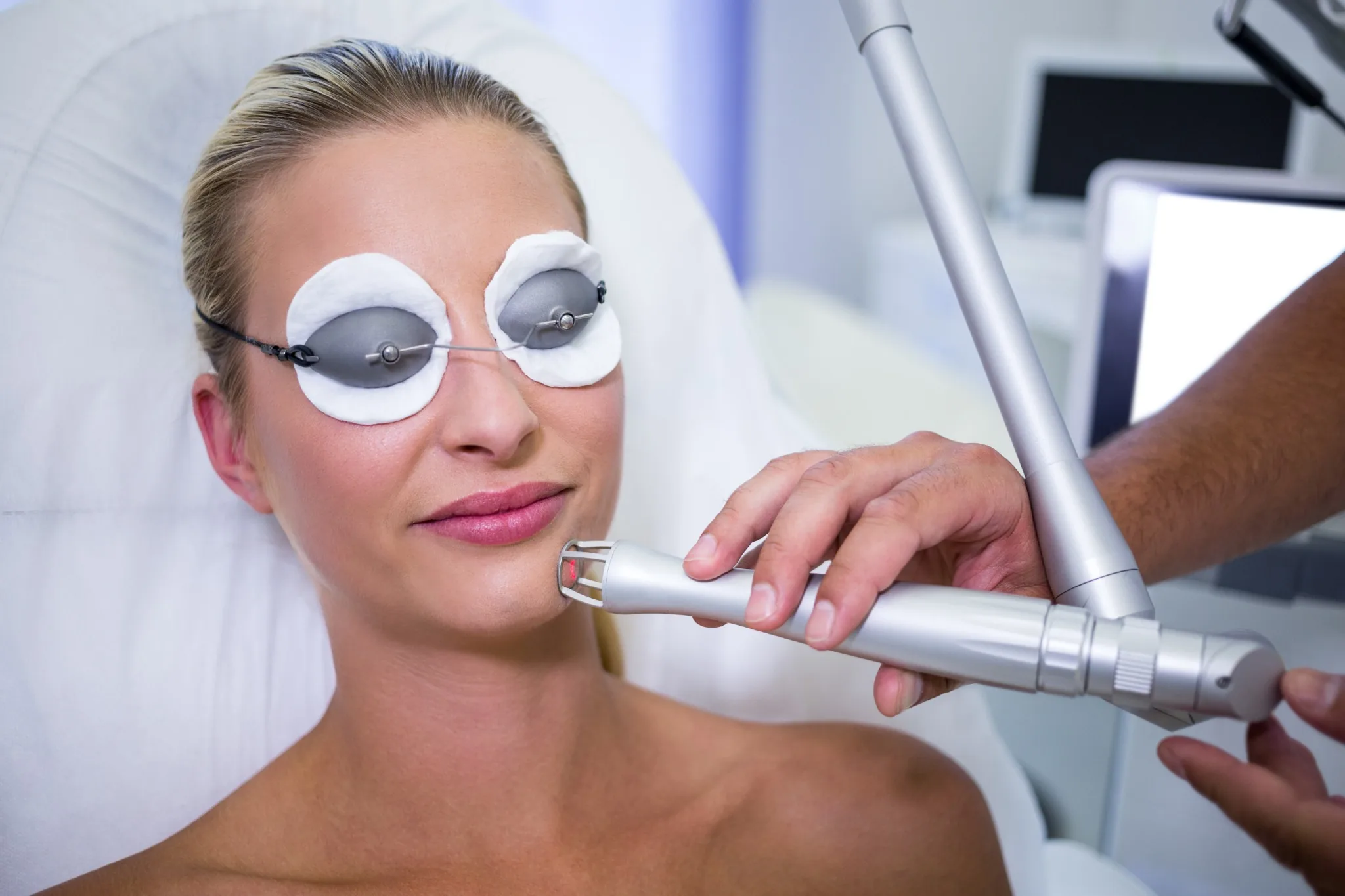
Pico laser technology delivers energy in extremely short pulses, generating less heat in surrounding tissue compared to older, longer-pulse laser systems. This reduced thermal effect is the main reason pico laser is often considered more adaptable across a wider range of skin tones than earlier technologies. This is a detail worth keeping front of mind throughout any pico laser decision.
Less heat generally means a lower risk of the skin overreacting during treatment, which matters particularly for those with sensitive or reactive skin conditions. It’s a consideration that comes up again and again in pico laser conversations with patients.
What Specific Risks Exist for Darker Skin Tones?
Darker skin types carry a naturally higher risk of post-inflammatory hyperpigmentation after any laser treatment, since melanin-rich skin can react more strongly to heat and inflammation. According to DermNet NZ, laser treatments in general carry relatively higher risk for individuals with darker Fitzpatrick skin types, which is why treatment parameters need to be adjusted accordingly rather than applied uniformly. You can learn more about our doctors and approach on the Anna Hoo Clinic website. Many patients considering pico laser overlook this until it’s raised during consultation.
This risk doesn’t mean pico laser is unsuitable for darker skin, but it does mean settings, technique, and aftercare need to be tailored carefully by an experienced doctor. You can browse further reading on our Anna Hoo Clinic blog for additional context. This principle holds true whether you’re just starting to research pico laser or already well informed.
How Is Sensitive Skin Assessed Before Treatment?
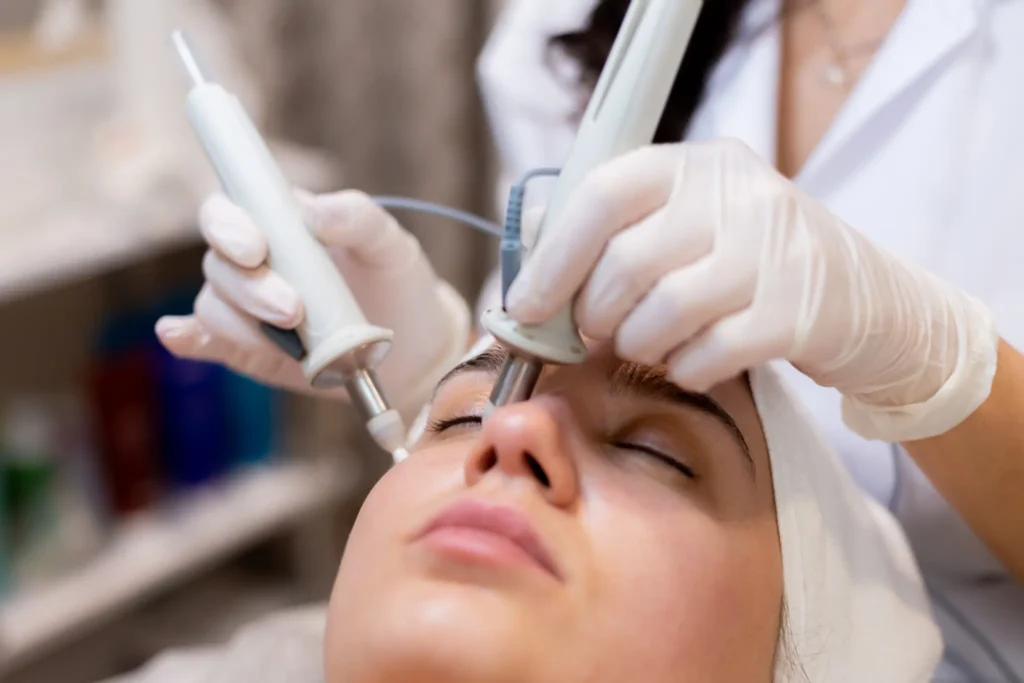
For sensitive skin specifically, your doctor should review your skin’s reactivity history, including any known conditions like eczema or rosacea, before determining whether pico laser is appropriate and at what intensity. A patch test may also be recommended in certain cases to gauge how your skin responds before committing to a full treatment area.
Sensitive skin doesn’t automatically rule out pico laser, but it does mean a more conservative, gradual approach is often the safer starting point.
What Can You Do to Reduce Risk Regardless of Skin Type?
Choosing a clinic where doctors, not just technicians, are directly involved in assessing your skin and setting treatment parameters is one of the most important safety factors, regardless of your specific skin tone or sensitivity. Being transparent with your doctor about your full skin history, including any past reactions to treatments, also helps them calibrate the approach appropriately.
Following aftercare instructions closely, particularly around sun protection, further reduces the risk of complications like pigmentation changes after treatment.
When Should You Be Extra Cautious About Proceeding?
If a clinic offers pico laser treatment without asking detailed questions about your skin history or medical background, that’s worth treating as a signal to seek care elsewhere. Similarly, be cautious of any provider promising zero risk regardless of skin type, since honest providers will always acknowledge that individual risk varies. For further clinical background, DermNet NZ provides additional authoritative detail worth reviewing.
A proper consultation, where risks specific to your skin are discussed openly, is the clearest sign you’re in safe, experienced hands.
Frequently Asked Questions
Can pico laser cause permanent damage to darker skin?
When performed by an experienced doctor with appropriately adjusted settings, serious permanent damage is uncommon, though risks like temporary pigmentation changes are possible and should be discussed beforehand.
Do I need a patch test before pico laser if I have sensitive skin?
This depends on your specific skin history. Your doctor will determine whether a patch test is a sensible precaution based on your individual case.
Is pico laser safer than traditional laser for darker skin?
Generally, yes, due to reduced heat generation, though risk is never fully eliminated and still depends on proper technique and individual assessment.
How do I know if my clinic is experienced with darker skin tones?
Ask directly about their experience treating your specific skin type, and request to see relevant examples or discuss their approach to adjusting treatment parameters.
What aftercare is especially important for sensitive or darker skin?
Diligent sun protection and following your doctor’s specific aftercare instructions are especially important to minimise the risk of pigmentation changes.
Conclusion
Pico laser can be safe for sensitive and darker skin when treatment is properly individualised, but this safety depends heavily on the doctor’s experience and the care taken in assessment, not on the technology alone. Skin type should shape your approach, not rule out treatment altogether.
Want a proper assessment of your skin before considering pico laser? Book a consultation with Anna Hoo Clinic today.